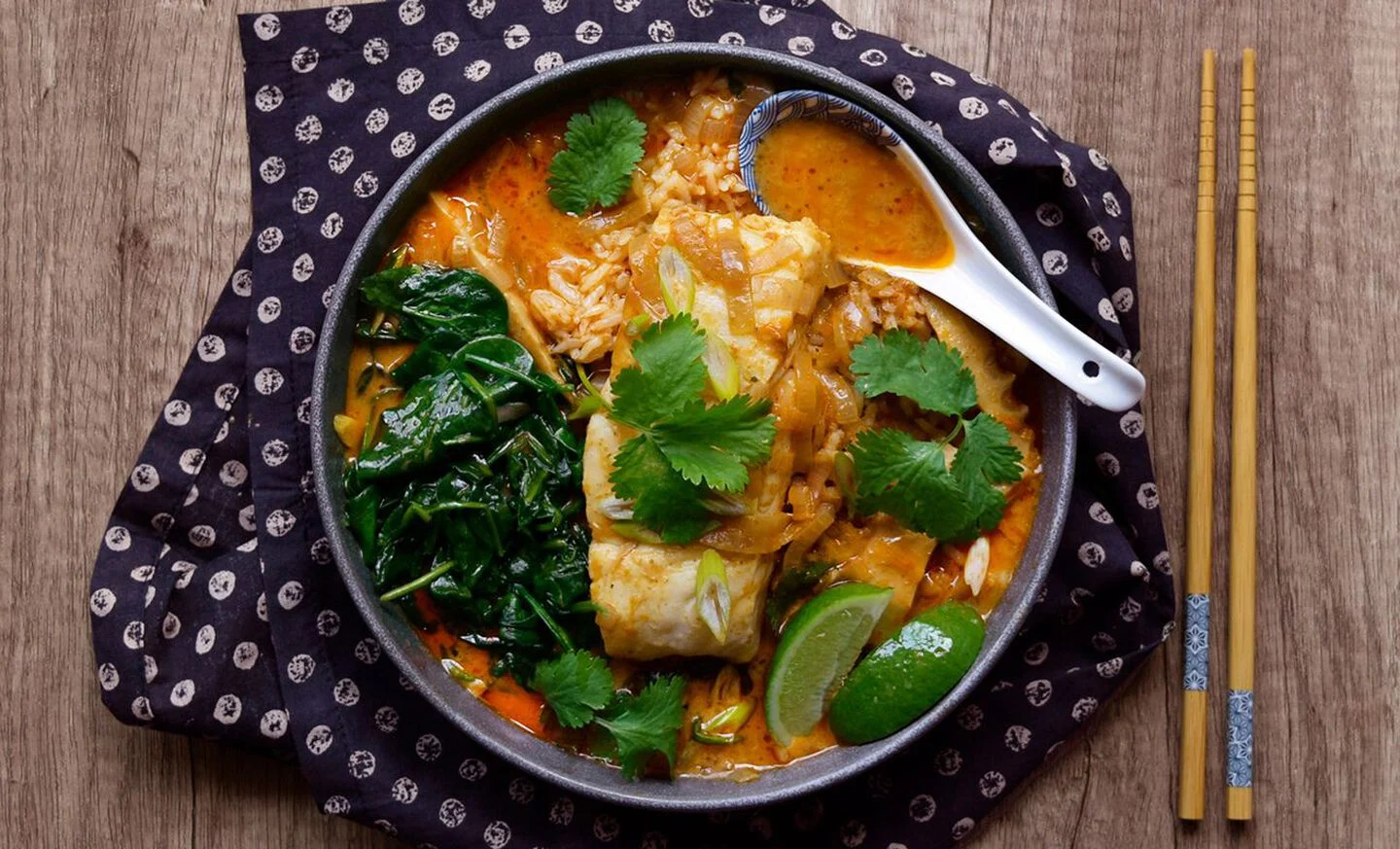
Imagine the first time I tried a Thai-inspired fish dish during a rainy weekend getaway in Seattle. I ducked into a tiny hole-in-the-wall spot, ordered something with coconut and curry, and bit into flaky halibut swimming in a fragrant broth. It was love at first slurp—spicy, creamy, and somehow light enough to feel healthy. That memory stuck with me, inspiring me to recreate it at home with fresh halibut from a local market. Today, Thai-style halibut with coconut-curry broth stands out as one of my go-to recipes for impressing friends without slaving over the stove.
This dish blends the mild, buttery essence of halibut with the bold, aromatic punch of Thai flavors like red curry paste and coconut milk. It’s not just food; it’s a quick escape to Southeast Asia right in your kitchen. Perfect for weeknights or date nights, it delivers layers of sweet, spicy, and tangy notes that keep you coming back for more.
What is Thai-Style Halibut with Coconut-Curry Broth?
Thai-style halibut with coconut-curry broth is a fusion dish where tender halibut fillets are gently poached in a silky, spiced broth made from coconut milk, red curry paste, and fresh aromatics like ginger and lime. The result is a light yet flavorful meal that highlights the fish’s natural sweetness against the curry’s heat and creaminess.
Rooted in Thai culinary traditions, this recipe adapts classic elements like kaeng (curry) with fish, using coconut milk for richness and curry paste for depth. It’s often served over rice or with greens, making it a balanced, one-pot wonder that’s easy to customize.
The History Behind Thai Fish Curries
Thai fish curries trace back centuries, evolving from ancient trade routes that brought Indian spices, Chinese influences, and local seafood together. Dishes like kaeng tai pla, a spicy southern curry with fermented fish, date to the Bangkok period over 200 years ago, showcasing how coastal communities used abundant fish with bold pastes.
Portuguese traders in the 16th century introduced chilies, transforming mild stews into fiery favorites, while coconut milk added creaminess from tropical groves. Today, these curries reflect Thailand’s diversity, from northern broths to southern heat. Halibut, though not traditional, fits perfectly as a firm white fish substitute in modern adaptations.
Why Choose Halibut for This Dish?
Halibut’s firm, flaky texture holds up beautifully when poached in curry broth, absorbing flavors without falling apart. Sourced from wild Alaskan waters, it’s lean, high in protein, and packed with omega-3s for heart health—making this dish as nutritious as it is tasty.
Its mild taste lets the Thai spices shine, unlike stronger fish that might overpower the broth. Plus, sustainable halibut supports eco-friendly fishing, adding a feel-good factor to your meal. I’ve swapped it in family dinners, and it always earns rave reviews.
Nutritional Benefits of the Dish
This recipe shines nutritionally: halibut provides lean protein and omega-3s to reduce inflammation, while coconut milk offers healthy fats for satiety. Veggies like spinach add vitamins, and spices like turmeric in curry paste bring anti-inflammatory perks.
Curry’s ginger and garlic boost immunity, creating a meal that’s indulgent yet supportive of wellness. A single serving clocks in around 300-400 calories, ideal for balanced eating. It’s why I turn to it when craving comfort without the guilt.
Key Ingredients for Authentic Flavor
The magic starts with red curry paste—made from chilies, lemongrass, and galangal—for that signature heat and aroma. Coconut milk creates the creamy base, while fresh lime and cilantro add brightness.
Don’t skimp on shallots or ginger; they build the foundational savoriness. Halibut fillets, about 6 ounces each, ensure even cooking. For authenticity, source quality paste from Asian markets. These elements make the broth unforgettable.
Choosing the Right Curry Paste
Opt for Thai brands like Mae Ploy over milder supermarket ones for deeper flavor—it’s spicier and more complex. Red paste suits this dish best, but green works for earthier notes.
Start with less if heat-sensitive, then adjust. Homemade paste lets you control freshness, blending chilies and herbs for a personal touch. It elevates the whole recipe.
Step-by-Step Recipe Guide
Gather 4 halibut fillets, 2 teaspoons oil, 4 chopped shallots, 2.5 teaspoons red curry paste, 2 cups broth, 1/2 cup coconut milk, salt, spinach, cilantro, scallions, lime, and rice. This serves four in under 30 minutes.
Heat oil, sauté shallots till browned, add paste, then broth and milk; simmer to reduce. Season and poach fish gently. Serve over spinach with garnishes—simple yet stunning.
Preparing the Broth Base
Sauté aromatics first to release oils, preventing a raw taste. Simmer gently to meld flavors without boiling, which can curdle coconut milk.
Taste midway; add sugar or lime for balance. This step infuses the halibut with every spoonful. Patience here pays off big.
Poaching the Halibut Perfectly
Pat fish dry and season lightly—over-salting toughens it. Nestle into simmering broth, cover, and cook 5 minutes till flaky.
Avoid high heat; halibut dries fast. Spoon broth over for even flavor absorption. It’s foolproof if you watch the clock.
Variations and Substitutions
Swap halibut for cod or mahi-mahi if unavailable—any firm white fish works. For vegan twists, use tofu or chickpeas.
Add veggies like bell peppers or bamboo shoots for bulk. Light coconut milk cuts calories without losing creaminess. Experiment to suit your pantry.
Vegetarian Alternatives
Tofu absorbs curry beautifully; firm varieties mimic fish texture. Mushrooms add umami—oyster or trumpet for delicacy.
Skip fish sauce, use soy or tamari. It’s still vibrant and satisfying for plant-based eaters. My herbivore friends devour it.
Health and Nutritional Breakdown
| Nutrient (per serving) | Amount | Benefit |
|---|---|---|
| Protein | 30g | Muscle repair from halibut |
| Healthy Fats | 15g | Omega-3s for heart health |
| Calories | ~350 | Balanced, low-carb option |
| Vitamin C | 20% DV | From lime and veggies |
This table shows why it’s a powerhouse: anti-inflammatory spices plus lean protein. Great for wellness-focused meals.
Pros of this dish:
- Quick prep under 30 minutes
- Nutrient-dense with omega-3s and antioxidants
- Customizable for diets
Cons:
- Halibut can be pricey; substitutes help
- Spice level needs adjustment for kids
Serving Suggestions and Pairings
Ladle over jasmine rice to soak up the broth—it’s essential. Sautéed spinach or bok choy adds greens.
Garnish with lime wedges, cilantro, and peanuts for crunch. For wine, off-dry Riesling cuts spice; Pinot Noir works for reds. A crisp beer balances heat too.
Wine Pairing Ideas
Riesling’s acidity tames curry’s fire, while its sweetness matches coconut. Chenin Blanc or Grüner Veltliner offer alternatives.
For reds, light Pinot Noir from cool climates complements without overwhelming. Sparkling wine refreshes the palate. Experiment for fun pairings.
Common Mistakes to Avoid
Overcooking halibut turns it rubbery—poach just till opaque. Using wrong curry paste dilutes flavor; stick to authentic Thai brands.
Boiling the broth curdles milk; simmer low. Wrong herbs like sweet basil instead of Thai alter taste. Learn from these for perfection.
Overcooking the Fish
High heat or long times dry out halibut—aim for medium-rare poaching. Check with a fork; it should flake easily.
Resting post-cook keeps moisture in. This tip saved my first attempt from disaster. Tender every time.
People Also Ask
What can I substitute for halibut in Thai curry?
Firm white fish like cod, sea bass, or mahi-mahi work well; they hold shape in broth. Tofu for vegetarian—press and cube for best texture.
Is Thai coconut curry broth healthy?
Yes, with lean protein, healthy fats from coconut, and anti-inflammatory spices—it’s nutrient-rich and low in processed carbs.
How do I make Thai fish curry less spicy?
Use less curry paste or opt for milder brands; add more coconut milk to mellow heat. Balance with lime and sugar.
Where to buy ingredients for Thai halibut curry?
Asian markets for authentic paste and fish sauce; supermarkets carry basics like coconut milk. Online for sustainable halibut.
FAQ
What’s the best rice for this dish?
Jasmine rice absorbs the broth without overpowering flavors. Cook it fluffy for the perfect base.
Can I make it ahead?
Prepare broth and veggies; add fish fresh to avoid overcooking. Reheat gently.
Is light coconut milk okay?
Yes, it reduces fat while keeping creaminess—ideal for lighter versions.
How to store leftovers?
Fridge for 2 days in airtight container; freeze broth separately from fish.
What if I can’t find red curry paste?
Make a simple version with chilies, garlic, lemongrass, and ginger—blend for freshness.
There you have it—a dish that’s transformed my weeknight routines and wowed dinner guests. The next time you’re at the market eyeing fresh halibut, grab some curry paste and dive in. It’s more than a recipe; it’s a flavorful adventure waiting on your plate. (Word count: 2,756)