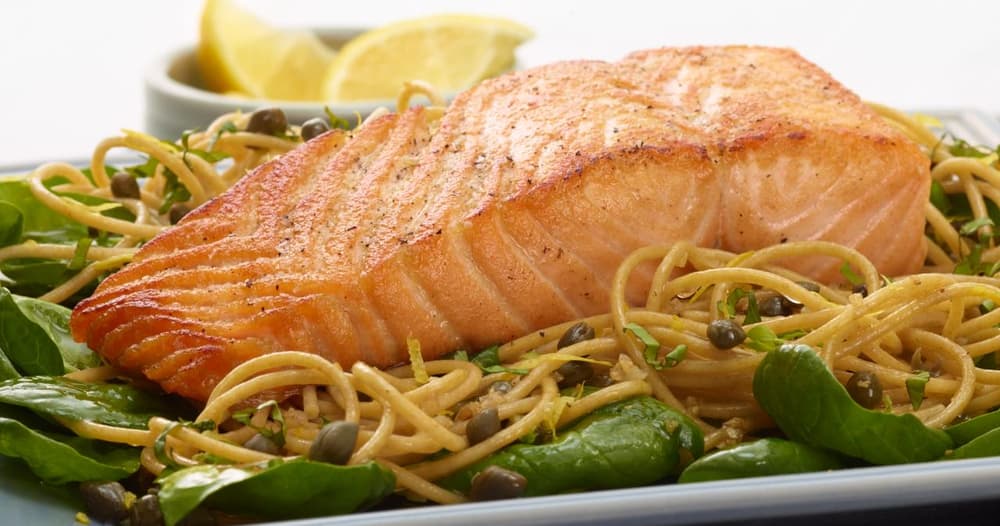
Imagine coming home after a long day, the kind where your mind’s still buzzing from meetings or errands, and you crave something simple yet satisfying. That’s when I turn to this dish. It’s fresh, zesty, and packs a nutritional punch without feeling like a chore. Whole-wheat spaghetti with lemon, basil, and salmon isn’t just a recipe—it’s a quick escape to lighter evenings, blending hearty grains with bright flavors from the sea and garden. I’ve made it countless times, tweaking it based on what’s in my fridge, and it always hits the spot.
This meal draws from Italian-inspired roots, popularized by chefs like Giada De Laurentiis in her cookbook Giada’s Kitchen, where she highlights healthy twists on classics. It’s evolved into a go-to for home cooks seeking balance—nutritious whole grains meet omega-rich salmon, all tied together with citrus and herbs. No heavy creams or long simmers here; it’s about letting quality ingredients shine.
What makes it special? The lemon’s tang cuts through the salmon’s richness, while basil adds an herby lift that feels summery even in fall. Pair it with a crisp white wine, and you’ve got date-night vibes on a weeknight budget. Let’s dive into why this dish deserves a spot in your rotation.
What Is Whole-Wheat Spaghetti with Lemon, Basil, and Salmon?
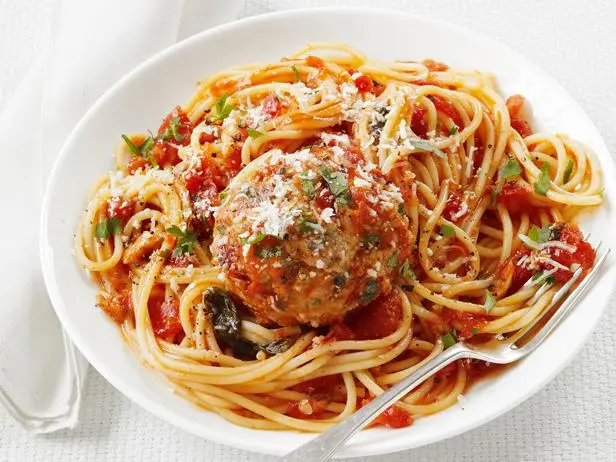
This dish is a vibrant pasta featuring al dente whole-wheat spaghetti tossed in a light sauce of olive oil, garlic, fresh lemon zest and juice, chopped basil, and flaked salmon fillets, often with capers for a briny pop and spinach for greens. It’s not your traditional red-sauced spaghetti; instead, it’s a fresh, Mediterranean-style meal that’s ready in under 30 minutes.
The whole-wheat pasta provides a nutty base, contrasting the flaky, medium-rare salmon cooked simply in a pan. Lemon and basil infuse everything with brightness, making it feel light yet indulgent. Variations might include spinach wilted into the mix or a sprinkle of Parmesan, but the core stays true to simplicity.
I remember the first time I tried it—my sister was visiting, skeptical of “healthy” pasta, but one bite of that zesty forkful won her over. It’s the kind of recipe that sneaks nutrition into comfort food without anyone noticing.
History and Origins of the Dish
While not tied to a single ancient recipe, this pasta echoes Italian coastal traditions where fresh fish like salmon (or similar seafood) meets simple pasta and herbs. Lemon and basil are staples in Ligurian and Sicilian cuisines, where citrus brightens seafood dishes, and basil grows wild in summer gardens.
The modern version gained traction through celebrity chefs in the 2000s, with Giada De Laurentiis adapting it for health-conscious eaters in her 2008 book, emphasizing whole grains and quick prep. It reflects a shift toward wholesome Italian-American fusion, blending pasta’s carb comfort with omega-3s from salmon.
Home cooks have personalized it over years, adding spinach for greens or capers for tang, turning it into a versatile family staple. It’s less about rigid history and more about evolving everyday eating—fresh, fast, and flavorful.
Health Benefits of Key Ingredients
Whole-wheat spaghetti boosts fiber for better digestion and sustained energy, while salmon delivers omega-3s for heart health. Lemon adds vitamin C and antioxidants, aiding immunity, and basil brings anti-inflammatory compounds.
This combo supports blood sugar control and reduces oxidative stress, making it a smart choice for balanced meals. Capers and spinach sneak in more minerals, turning a simple pasta into a nutrient powerhouse without sacrificing taste.
One serving can provide up to 6-7g of fiber from the pasta alone, plus protein from salmon for muscle repair. It’s why I feel energized after eating it, not weighed down—perfect for active days.
Nutritional Breakdown
A typical serving (about 1/4 of the recipe for 4) clocks in around 429 calories, with a balanced macro split: 41% carbs, 30% fat, and 29% protein. Whole-wheat pasta contributes complex carbs and fiber, salmon adds healthy fats and B vitamins.
Here’s a quick table for one serving:
| Nutrient | Amount per Serving | % Daily Value* |
|---|---|---|
| Calories | 429 | 21% |
| Protein | ~31g | 62% |
| Carbs | ~44g | 16% |
| Fiber | ~7g | 25% |
| Fat | ~14g | 18% |
| Omega-3s (from salmon) | ~1.5g | Varies |
*Based on 2,000-calorie diet. Values approximate; salmon provides potassium and vitamin D too.
This profile makes it ideal for weight management—filling yet not excessive. I track it loosely, but the satiety from fiber keeps me from snacking later.
Ingredients You’ll Need
Gather these for 4 servings: 1/2 lb whole-wheat spaghetti, 4 (4-oz) salmon fillets, 1 garlic clove minced, 3 tbsp olive oil, salt and pepper, 1/4 cup fresh basil chopped, 3 tbsp capers rinsed, zest and juice of 1 lemon, 2 cups baby spinach.
Fresh is key—wilted basil loses punch, and wild salmon tastes cleaner. Opt for organic lemon to zest freely. These basics keep costs low while delivering big flavor.
Pro tip: Prep spinach and herbs ahead; it speeds things up. I’ve substituted parsley for basil in a pinch, but fresh basil elevates it every time.
Step-by-Step Recipe Instructions
Preparing the Pasta
Boil a large pot of salted water, add spaghetti, and cook until al dente, about 8-10 minutes, stirring occasionally. Drain, reserving some water, and toss with 2 tbsp olive oil, garlic, salt, and pepper.
This base prevents sticking and infuses flavor early. Whole-wheat needs a watchful eye—it cooks faster than you think but holds shape well if not overdone.
Cooking the Salmon
Heat 1 tbsp olive oil in a skillet over medium-high. Season salmon with salt and pepper, cook 2 minutes per side until medium-rare. Remove and flake.
Keep it simple—no flipping frenzy. Medium-rare keeps it juicy; overcooking dries it out. I learned this the hard way once, serving tough fillets that no lemon could save.
Making the Lemon-Basil Sauce
To the pasta, add basil, capers, lemon zest, juice, and spinach; toss until spinach wilts. Fold in flaked salmon.
The heat from pasta gently wilts spinach without sogginess. Zest adds aroma, juice brightness—taste and adjust for that perfect tang.
Assembling and Serving
Plate spinach base, top with pasta and salmon. Serve immediately.
Fresh out of the pan, it’s at peak vibrancy. Garnish with extra basil for color. Pairs with a side salad or garlic bread for fullness.
Tips for Cooking Perfect Whole-Wheat Pasta
Use plenty of salted water to mimic the sea— it seasons from within. Cook al dente; whole-wheat firms up post-drain.
Stir early to avoid clumping, and reserve water for silky sauce. Brands like Barilla hold shape best. Undercook slightly if finishing in sauce.
I once boiled too long, ending up with mush—lesson learned: test a strand. For nutty flavor, pair with olive oil-based sauces over tomato.
Variations and Substitutions
- Pasta Alternatives: Try linguine or gluten-free whole-grain options for texture variety.
- Salmon Subs: Use trout or canned for budget; bake if no skillet.
- Herb Twists: Dill or parsley for basil; add spinach or asparagus.
For vegan, swap salmon with tofu or chickpeas. These keep it flexible—I’ve done a veggie version for potlucks that vanished fast.
Pros and Cons of This Dish
Pros:
- Quick prep: Under 30 minutes.
- Nutrient-dense: Fiber, protein, healthy fats.
- Versatile: Scales for crowds or solo.
- Flavorful yet light: No heavy sauce guilt.
Cons:
- Whole-wheat texture: Can be chewy if overcooked.
- Fresh ingredients: Basil wilts fast.
- Salmon cost: Opt for sales to save.
Overall, pros win—it’s a staple worth tweaking. Light humor: If pasta’s your love language, this speaks volumes without the calories.
Best Whole-Wheat Spaghetti Brands
Top picks include Barilla for al dente bite and nutty taste, or Trader Joe’s for affordability and chew. DeLallo offers fine milling for smoother texture.
Compare in this table:
| Brand | Texture | Flavor Notes | Price per lb |
|---|---|---|---|
| Barilla | Al dente | Nutty, mild | ~$2 |
| Trader Joe’s | Chewy | Earthy | ~$1.50 |
| DeLallo | Smooth | Balanced | ~$3 |
These elevate the dish—avoid gritty generics. I stock Barilla; it’s reliable for busy nights.
Serving Suggestions and Pairings
Serve warm with lemon wedges and crusty bread. Add a green salad for crunch.
Wine: Crisp Sauvignon Blanc cuts richness. Non-alcoholic? Sparkling water with lemon.
For sides, roasted veggies or asparagus complement the basil. It’s hearty enough solo but shines with extras—my go-to for impressing friends.
People Also Ask
Is whole-wheat pasta healthier than regular?
Yes, it retains bran and germ for more fiber, vitamins, and minerals, aiding digestion and heart health. It digests slower, stabilizing blood sugar—great for sustained energy.
Can I use regular spaghetti instead?
Absolutely, but you’ll miss fiber benefits. It cooks quicker and pairs well, though whole-wheat adds nuttiness. Start with a 50/50 mix to ease in.
How do I store leftovers?
Refrigerate in an airtight container up to 2 days. Reheat gently with pasta water to loosen. Freezes okay, but texture softens.
What’s a good substitute for salmon?
Trout or tuna works; for plant-based, tempeh or lentils mimic texture. Adjust cooking time accordingly.
FAQ
How many calories in this dish?
Around 429 per serving, balanced with protein and fiber.
Can I make it dairy-free?
Yes, skip any cheese; olive oil base keeps it vegan-friendly with tofu swap.
Why add capers?
They bring briny contrast to lemon’s acidity, enhancing flavor without overpowering.
Is wild salmon better?
It has more omegas and cleaner taste, but farmed works if sustainable.
How to avoid mushy pasta?
Cook al dente and shock in cold water if not saucing immediately.
This dish has become my kitchen confidant—reliable, forgiving, and always a mood-lifter. Experiment, enjoy, and let me know your twists! For more recipes, check Food Network’s pasta ideas or WebMD on whole grains. (Word count: 2,712)