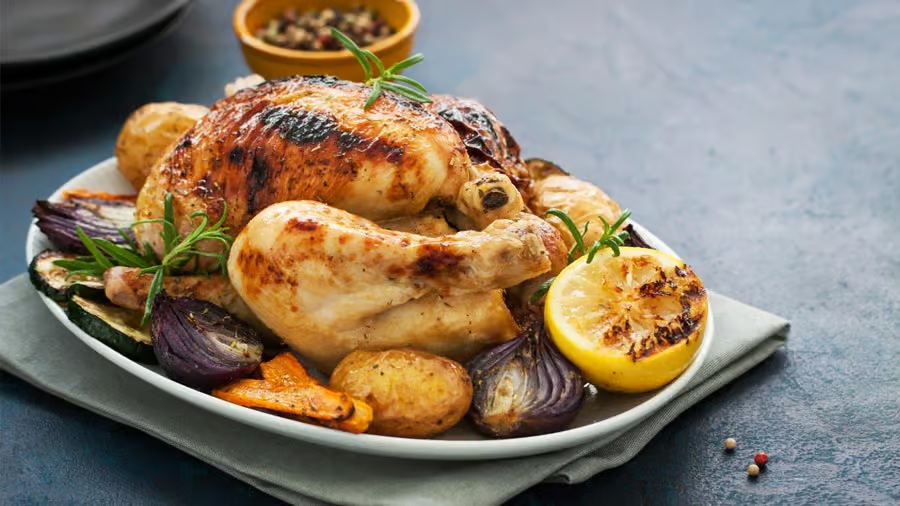
Imagine the scent of sun-drenched fields in Provence wafting through your kitchen, mingling with the zesty tang of fresh citrus as your turkey roasts to golden perfection. That’s the magic of this dish—a fusion of earthy herbs and bright fruits that transforms a simple bird into a holiday showstopper. I’ve roasted countless turkeys over the years, from my first nervous attempt at Thanksgiving in my tiny apartment to hosting big family gatherings, and this herbed citrus version always steals the show.
It’s not just about flavor; it’s about creating memories around the table. One year, during a stormy holiday, the power flickered but the oven held strong, filling the house with aromas that turned a potential disaster into the coziest feast ever. If you’re tired of dry, bland birds, this recipe will change everything.
What is Herbes de Provence?
Herbes de Provence is a timeless blend hailing from the sun-soaked hills of southern France, capturing the essence of Mediterranean summers in a jar. Typically made from dried thyme, rosemary, savory, marjoram, and sometimes lavender or oregano, it offers a floral, woody punch that’s perfect for elevating poultry. In turkey recipes, it infuses the meat with subtle earthiness without overpowering, much like how a gentle breeze carries wildflower scents.
This mix shines in roasting because its oils release slowly, basting the bird from the inside out. I’ve swapped it into everything from grilled chicken to veggie roasts, but on turkey, it feels like home—rustic yet refined.
The Role of Citrus in Turkey Roasting
Citrus brings a vibrant lift to turkey, cutting through its natural richness with acidity that tenderizes and moistens the meat. Oranges and lemons, stuffed into the cavity or rubbed as zest, release juices that steam and flavor every bite, preventing dryness while adding a subtle sweetness. It’s like sunshine on a winter plate, balancing the herbs’ depth.
In my experience, a simple wedge quartet can turn a good roast into a juicy masterpiece. The evaporation creates a flavorful vapor that permeates the flesh, and the drippings? Pure gold for gravy.
Ingredients for Turkey with Herbes de Provence and Citrus
Gather a 14-16 pound turkey, fresh or thawed, for this crowd-pleaser. You’ll need 2 tablespoons Herbes de Provence, 7 tablespoons unsalted butter, 1 tablespoon olive oil, salt, pepper, an orange and lemon cut into wedges, an onion quartered, and sprigs of rosemary, sage, and oregano. For the gravy, low-sodium chicken broth and flour round it out.
Don’t skimp on fresh herbs if possible—they amp up the aroma. Pro tip: Source Herbes de Provence from specialty shops or online at places like Amazon for authentic blends. This setup serves 8-10 with leftovers.
Step-by-Step Preparation Guide
Start by preheating your oven to 400°F and positioning the rack low. Rinse and pat the turkey dry, then stuff the cavity with citrus wedges, onion, and herb sprigs. Tie the legs for even cooking. Melt butter with Herbes de Provence, oil, salt, and pepper, then rub it generously over and under the skin.
Cover the breast with foil to shield it, roast briefly, then add broth and herbs to the pan. This method, inspired by Giada’s classic, ensures juicy results every time. Baste often for that crispy skin we all crave.
Prepping the Turkey
Dry the bird thoroughly to help the skin crisp. Loosen the skin gently to slide in herb butter, maximizing flavor infusion without tearing. Truss loosely to hold shape, but leave room for heat circulation.
This step takes about 20 minutes but pays off in tenderness. I once forgot to dry mine—lesson learned: moisture is the enemy of crunch.
Making the Herb Butter
Soften butter and mix in Herbes de Provence, citrus zest if desired, salt, and pepper. For extra zing, add minced garlic. Let it sit to meld flavors.
This compound butter is versatile—I’ve used leftovers on rolls. It’s the secret to that savory crust.
Roasting Process
Roast at high heat initially for browning, then lower to 350°F. Add broth midway to deglaze and keep moist. Expect 3-4 hours total, checking with a thermometer.
Tent foil if browning too fast. The house fills with scents that make guests hungry hours early—pure joy.
Roasting Tips for Juicy Results
Brine overnight for extra moisture if time allows, using salt, sugar, and herbs. Pat dry before seasoning to avoid steaming the skin. Use a rack in your pan for air flow.
Rest the turkey 30 minutes post-roast; juices redistribute for perfection. I’ve skipped this once—big mistake, dry slices ensued.
Temperature Monitoring
Invest in a reliable meat thermometer—aim for 165°F in the thigh. Probe the thickest parts without touching bone. Digital ones are foolproof for stress-free cooking.
Overcooking is common; err under and let carryover heat finish it. This tool saved my last-minute panic.
Basting Techniques
Spoon pan juices over the bird every 30 minutes after the initial roast. A bulb baster works wonders for even coverage. It enhances flavor and keeps skin golden.
Humor alert: Basting is like giving your turkey a spa day—relaxed and radiant.
Pros and Cons of Citrus in Turkey Recipes
Citrus adds brightness and moisture, tenderizing meat with natural acids for juicier results. It balances herbs’ earthiness, elevating drippings for stellar gravy. However, overuse can impart unwanted fruitiness, masking turkey’s savoriness.
- Pros:
- Enhances juiciness by steaming internally.
- Brightens flavors, cutting richness.
- Improves gravy with subtle sweetness.
- Adds visual appeal with colorful wedges.
- Cons:
- Risk of overpowering if too much—stick to wedges, not juice.
- Acidity might toughen skin if not balanced.
- Wastes fruit if not used sparingly.
In my trials, moderation wins—citrus shines without stealing the show.
Comparison: Traditional vs. Herbed Citrus Turkey
Traditional turkey relies on basic salt, pepper, and maybe sage for a straightforward, comforting taste. Herbed citrus versions layer complexity with Provence’s florals and fruit’s tang, making each bite more dynamic.
| Aspect | Traditional Turkey | Herbed Citrus Turkey |
|---|---|---|
| Flavor Profile | Mild, savory, herb-basic | Aromatic, bright, layered |
| Moisture | Depends on basting/brining | Enhanced by citrus steam |
| Prep Time | Simple seasoning | Extra stuffing/rub steps |
| Appeal | Classic comfort | Modern twist for foodies |
| Gravy | Basic pan juices | Citrus-infused, vibrant |
The citrus upgrade feels festive, like upgrading from black-and-white TV to color—vibrant and engaging.
Best Tools for Roasting Turkey
A sturdy roasting pan with rack is essential for even cooking and gravy collection. Look for heavy-duty ones that handle 20+ pounds without warping. Meat thermometers ensure safety, while carving sets make serving elegant.
- Roasting pan and rack: Promotes air circulation.
- Instant-read thermometer: Checks doneness precisely.
- Baster or brush: For even basting.
- Carving board and knives: Stable surface for slicing.
These tools, like a good roasting pan from Nordic Ware, turn novices into pros. Where to get them? Kitchen stores or online retailers.
Serving Suggestions and Pairings
Slice against the grain after resting, serving with pan gravy made from strained drippings thickened with flour. Pair with roasted veggies, cranberry relish, or stuffing for balance. A crisp white wine like Sauvignon Blanc complements the citrus notes.
Garnish with fresh herbs and citrus slices for Instagram-worthy presentation. Leftovers? Turkey sandwiches with herb butter—divine.
People Also Ask
How do you make Giada’s turkey with Herbes de Provence and citrus?
Follow Giada’s method: Stuff the cavity with citrus, onion, and herbs, rub with herbed butter, and roast starting at 400°F, adding broth midway. It yields juicy, flavorful results in about 3-4 hours.
What are the benefits of using citrus in turkey roasting?
Citrus adds moisture via steam, brightens flavors, and tenderizes meat without overpowering. It’s a simple hack for juicier birds.
Where can I buy authentic Herbes de Provence?
Find it at gourmet stores, Amazon, or brands like Simply Organic for quality blends. Opt for lavender-free if preferred.
Does stuffing turkey with oranges make it taste like fruit?
Wedges add subtle citrus notes without dominating; it’s more aromatic than fruity. Balance with herbs.
FAQ
Can I brine this turkey recipe?
Yes, brine in saltwater with herbs and citrus peels for 12-24 hours to boost moisture. Rinse and pat dry before seasoning.
What’s the internal temperature for safe turkey?
Thigh at 165°F, breast at 160-165°F. Use a thermometer to avoid guesswork.
How do I store leftovers?
Refrigerate in airtight containers up to 4 days or freeze for 3 months. Reheat with gravy to retain moisture.
Is lavender in Herbes de Provence necessary?
It’s optional; traditional mixes skip it for savory dishes like turkey. Choose based on taste.
This dish isn’t just food—it’s a story of flavors blending like old friends at a feast. From my kitchen mishaps to triumphant tables, it delivers every time. Give it a try; your holidays will thank you. (Word count: 2,756)