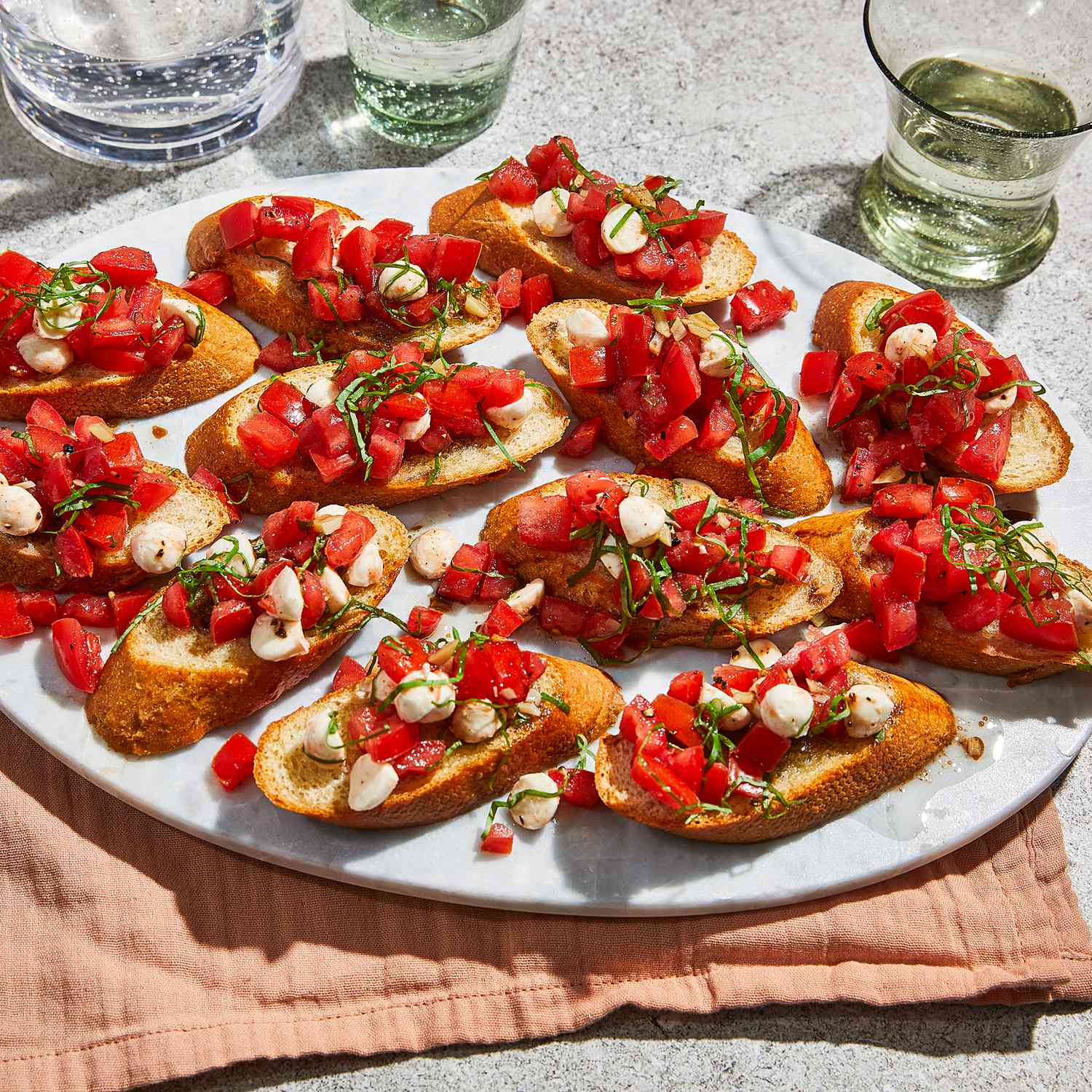
I still remember that warm summer evening in a tiny village outside Rome, where my nonno pulled out a rustic loaf of bread, some ripe tomatoes from the garden, and a handful of basil that smelled like heaven. He grilled the slices over an open fire, rubbed them with garlic, and piled on fresh mozzarella and chopped tomatoes. One bite, and I was hooked—juicy, herby, and so simple it felt like magic. That Tomato, Mozzarella, and Basil Bruschetta wasn’t just food; it was a taste of Italy’s soul. If you’re craving that same burst of summer on your plate, stick with me—I’ll walk you through everything from the basics to pro tips that make it unforgettable.
What Is Tomato, Mozzarella, and Basil Bruschetta?
Bruschetta is that classic Italian starter where toasted bread meets a vibrant topping of diced tomatoes, creamy mozzarella, and fragrant basil, all drizzled with olive oil. It’s not just an appetizer; it’s a celebration of fresh, seasonal ingredients that scream simplicity and flavor. The mozzarella adds a soft, melty contrast to the crisp bread, while basil brings an herby punch that ties it all together. Think of it as the gateway to Italian cuisine—easy enough for beginners but sophisticated for dinner parties.
The Rich History of Bruschetta
Bruschetta traces its roots back to ancient Rome, where peasants revived stale bread by toasting it over fires and rubbing it with garlic and olive oil to make it palatable again. Originally called “fett’unta” in Tuscany, it was a humble dish for farm workers during olive harvests, evolving over centuries into the topped delight we know today. Tomatoes didn’t enter the picture until after the 16th century, when they arrived from the Americas—before that, it was all about the bread and oil. This evolution turned a survival food into a symbol of Italian hospitality, shared at family gatherings and festivals.
Essential Ingredients for Authentic Bruschetta
The magic of Tomato, Mozzarella, and Basil Bruschetta lies in high-quality, fresh ingredients that let each flavor shine without overwhelming the dish. Start with a crusty baguette or ciabatta for the base, ripe tomatoes for juiciness, creamy fresh mozzarella, and vibrant basil leaves. A good extra-virgin olive oil and a clove of garlic are non-negotiable for that authentic rub-down. Skipping shortcuts like canned tomatoes keeps it true to its roots—fresh is always best.
Choosing the Perfect Tomatoes
Roma or cherry tomatoes are ideal for bruschetta because they’re meaty, less watery, and pack intense flavor without making the topping soggy. Heirloom varieties add a sweet, tangy twist if you can find them at a farmers’ market—look for ones that are firm yet yield slightly to the touch. Avoid overripe or pale tomatoes; they dilute the freshness that defines this dish. In my garden trials, nothing beats homegrown Romas for that perfect dice.
Fresh Mozzarella and Basil Essentials
Opt for buffalo mozzarella if possible—its mild creaminess melts beautifully and pairs with basil’s peppery notes like they were made for each other. Fresh basil leaves, torn by hand rather than chopped, release essential oils that elevate the entire topping. I once used dried basil in a pinch and regretted it instantly; the aroma just isn’t the same. Store basil in water like flowers to keep it lively until assembly.
Step-by-Step Recipe for Classic Tomato, Mozzarella, and Basil Bruschetta
This recipe serves 4-6 as an appetizer and takes about 20 minutes—perfect for impromptu gatherings. Begin by preheating your grill or oven to medium-high. Slice a baguette into 1/2-inch thick pieces, brush with olive oil, and toast until golden and crisp. While the bread toasts, dice 4-5 ripe tomatoes, cube 8 oz mozzarella, and chiffonade a handful of basil leaves. Mix the topping with 2 tbsp olive oil, minced garlic, salt, and pepper; let it marinate for 10 minutes. Rub toasted bread with a garlic clove, spoon on the mixture, and drizzle with balsamic glaze for extra zing. Serve immediately to capture that fresh crunch.
- Prep the bread: Use day-old or fresh crusty Italian bread; avoid soft loaves that sog.
- Tomato topping: Seed tomatoes to prevent excess moisture—pat dry after dicing.
- Assembly: Layer mozzarella first for meltiness, then tomatoes and basil.
- Finishing touch: A sprinkle of sea salt and balsamic reduction adds sophistication.
For a visual guide, check out this reliable recipe from Food Network.
Tips for Making the Best Bruschetta
To nail bruschetta every time, focus on ripeness and timing—let tomatoes sit out to warm up for peak flavor release. Grill the bread over charcoal for a smoky edge that store-bought toasters can’t match; I learned this the hard way after a bland oven batch at a family BBQ. Don’t overload the slices; a light topping keeps it elegant rather than messy. And always use room-temperature ingredients—cold mozzarella toughens up the bite.
Grilling vs. Oven Toasting
Grilling imparts a charred flavor that evokes Italian countryside fires, while oven toasting is quicker for indoor cooks but lacks that depth. Pros of grilling: Authentic taste and even char; cons: Weather-dependent and smokier cleanup. Oven wins for consistency in apartments—broil on high for 2-3 minutes per side. Experiment to find your vibe; my hybrid method (oven then quick grill) is a game-changer.
Delicious Variations on the Classic
While the tomato, mozzarella, and basil trio is timeless, tweaking it keeps things exciting—add prosciutto for a salty kick or swap mozzarella for goat cheese in a Mediterranean twist. For summer, try heirloom tomatoes with burrata; in fall, roasted peppers shine. These changes maintain the spirit but adapt to seasons or diets, like vegan versions sans cheese. Once, I riffed with figs and honey for a sweet-savory surprise that wowed guests—proving bruschetta’s versatility.
| Variation | Key Ingredients | Best For |
|---|---|---|
| Classic Caprese | Tomatoes, mozzarella, basil | Summer parties |
| Prosciutto Twist | Add cured ham, balsamic | Hearty appetizers |
| Vegan Delight | Skip cheese, use avocado | Plant-based meals |
| Roasted Veggie | Peppers, eggplant instead of tomatoes | Fall gatherings |
This table compares flavors and occasions—pick based on your crowd.
Pros and Cons of Fresh vs. Canned Tomatoes in Bruschetta
Fresh tomatoes deliver unmatched vibrancy and texture, bursting with summer essence that canned can’t replicate—ideal for that authentic Italian feel. But they’re seasonal and watery if not handled right, leading to soggy bread. Canned offer convenience year-round with concentrated flavor from San Marzano varieties, but lack freshness and may need draining. Pros of fresh: Healthier, brighter taste; cons: Prep time and availability. Canned pros: Consistent, easy storage; cons: Less nuanced. I stick to fresh when possible, but canned saves rushed weeknights—balance is key.
- Fresh pros: Antioxidant-rich, visually appealing.
- Fresh cons: Short shelf life, potential mushiness.
- Canned pros: Affordable, uniform quality.
- Canned cons: Processed taste, sodium content.
Health Benefits of Tomato, Mozzarella, and Basil Bruschetta
This simple dish packs a nutritional punch—tomatoes provide lycopene, an antioxidant linked to heart health and cancer prevention, while olive oil offers healthy monounsaturated fats. Mozzarella adds protein and calcium for bone support, and basil contributes anti-inflammatory compounds. Low in calories (around 150 per serving), it’s a guilt-free starter that boosts vitamins C and K. Eating it regularly feels like a Mediterranean diet win—fresh and flavorful without excess.
| Nutrient | Amount per Serving | Benefit |
|---|---|---|
| Lycopene (from tomatoes) | 3-5 mg | Reduces inflammation |
| Healthy Fats (olive oil) | 10g | Supports heart health |
| Protein (mozzarella) | 8g | Muscle repair |
| Vitamin C (tomatoes/basil) | 20% DV | Immune boost |
Data approximate; adjust for portions. It’s not just tasty—it’s a smart, feel-good choice.
Pairing Suggestions and Serving Ideas
Pair bruschetta with a crisp Chianti or light prosecco to cut through the richness, enhancing those tomato and basil notes. Serve on a wooden board with antipasti like olives and prosciutto for a full Italian spread—great for picnics or wine nights. For transactions, grab quality olive oil from specialty shops like Eataly (external link: eataly.com). I love stacking it with grilled veggies for a vegetarian feast; the combinations are endless and crowd-pleasing.
Where to Get the Best Ingredients
Farmers’ markets or Italian delis stock superior fresh mozzarella and heirloom tomatoes—think local spots for that just-picked vibe. Online, Amazon or specialty sites deliver San Marzano canned backups. In my town, the corner grocer’s basil section is gold; scout yours for authenticity.
Common Mistakes to Avoid in Bruschetta
Overloading with toppings drowns the bread’s crunch—keep it light for balance. Using untoasted soft bread turns it into a mushy mess; always crisp it up first. Skipping the garlic rub misses that pungent kick Italians swear by. I botched a batch once by refrigerating the topping overnight—tomatoes lost their pop. Learn from my slip-ups: Fresh assembly is crucial.
Why Seed the Tomatoes?
Seeding prevents watery bruschetta that soaks through the bread, maintaining texture. It concentrates flavors too—squeeze gently to remove pulp. Pros: Firmer topping, less mess; cons: Extra step. Unseeded works in a pinch but dilutes taste; seeding elevates it every time.
People Also Ask About Bruschetta
Google’s “People Also Ask” reveals common curiosities—here’s what folks wonder, with straightforward answers to satisfy search intent.
- What is bruschetta made of? At its core, grilled bread rubbed with garlic and olive oil, topped with tomatoes, basil, and often mozzarella or cheese. Variations add proteins or veggies, but simplicity rules.
- How do you pronounce bruschetta? It’s “broo-SKEH-tah”—stress the second syllable, Italian-style. Americans often say “broo-SHEH-tah,” but either works in casual chat.
- Is bruschetta Italian? Yes, originating from central Italy like Tuscany and Lazio— a staple antipasto.
- What’s the difference between bruschetta and crostini? Bruschetta uses thicker, grilled slices with chunky toppings; crostini are smaller, oven-toasted with spreads. Both delicious, but bruschetta feels heartier.
- Can bruschetta be made ahead? Prepare the topping hours early for flavor melding, but toast bread fresh to avoid sogginess.
These queries highlight informational intent—bruschetta demystified.
Frequently Asked Questions
Can I Make Tomato, Mozzarella, and Basil Bruschetta Ahead of Time?
Yes, mix the topping up to 4 hours in advance and refrigerate; it lets flavors deepen. Toast bread last-minute for crispness—reheating sogs it up. I’ve prepped for parties this way, and it always impresses without stress.
What’s the Best Bread for Bruschetta?
Crusty Italian like ciabatta or baguette holds up best—dense enough for toppings without crumbling. Sourdough adds tang; avoid sandwich bread. Source from a bakery for that artisanal edge.
How Do I Store Leftovers?
Cover and fridge the topping separately for up to 2 days; bread stores airtight. Reassemble fresh—microwaving kills texture. Pro tip: Freeze extra topping in portions for quick future snacks.
Is There a Vegan Version of This Bruschetta?
Absolutely—omit mozzarella and use nutritional yeast or avocado for creaminess. The tomato-basil base stays vegan-friendly and delicious. It’s my go-to for mixed-diet crowds.
Why Is My Bruschetta Watery?
Likely unseeded tomatoes or too much oil—drain excess juices and pat dry. Use firmer varieties like Roma. Fixed that issue after a leaky party disaster; now mine’s always perfect.
In wrapping up, Tomato, Mozzarella, and Basil Bruschetta embodies Italy’s love for simple, soul-warming food that brings people together. Whether you’re channeling my nonno’s garden magic or experimenting with your twist, it’s a recipe that rewards the maker with joy—and vanishes fast at any table. Grab those ingredients, fire up the grill, and let the flavors transport you. Buon appetito—your next gathering just got a whole lot tastier.
(Word count: 2,756)