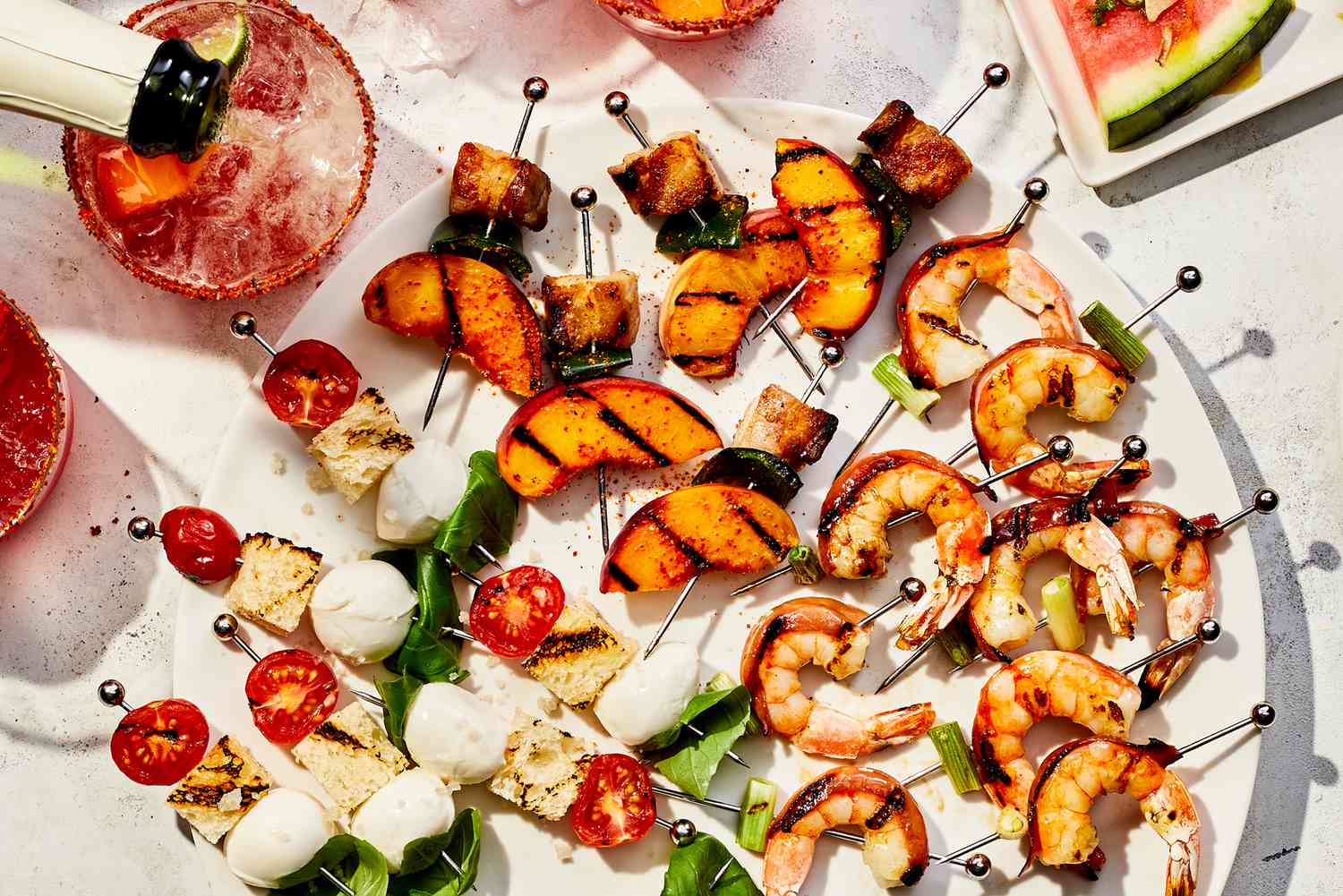
Picture this: It’s my first night in Barcelona, jet-lagged and starving, wandering the narrow streets of the Gothic Quarter. I duck into a bustling bar where locals are laughing over tiny plates of food, glasses of wine clinking everywhere. Someone hands me a skewer of olives and anchovies—bam, instant love affair with tapas. If you’ve ever wondered what these mysterious Spanish bites are all about, you’re in for a treat. Tapas aren’t just food; they’re a way of life, small plates designed for sharing that turn a simple drink into a feast. In essence, tapas are appetizers or snacks in Spanish cuisine, often served alongside beer, wine, or sherry, and they can add up to a full meal if you’re hopping from bar to bar.
The Origins of Tapas
Tapas trace their roots back centuries, with the word itself coming from the Spanish “tapar,” meaning “to cover.” Legend has it that in Andalusian taverns, folks used slices of bread or ham to lid their sherry glasses, keeping out pesky fruit flies while sparking more thirst—and more sales for the barkeep. One popular tale credits King Alfonso X of Castile in the 13th century; after recovering from illness by sipping wine with little snacks, he decreed that taverns must serve food with drinks to promote moderation. Another story points to King Alfonso XIII in the early 20th century, who supposedly ordered wine “con la tapa” after a waiter covered his glass with ham to shield it from Cádiz beach sand. Whatever the truth, tapas evolved from practical bar snacks influenced by Roman olives and New World tomatoes and peppers.
Understanding Tapas Culture
At its heart, tapas culture is about community and spontaneity—think crowded bars where strangers become friends over shared plates. In Spain, “tapear” is the verb for bar-hopping to graze on these bites, often standing at the counter around 10 p.m. before a late dinner. Etiquette? Elbow your way in, order a drink first (it might come with a free tapa in places like Granada), and share everything family-style. It’s chaotic fun; I’ve seen kids running around while adults debate the best patatas bravas. But don’t sit primly—tapas thrive on that lively vibe, fostering connections that make meals memorable.
Key Etiquette Tips for Tapas Newbies
- Stand at the bar for the authentic rush; tables are for raciones, larger portions.
- Count your toothpicks or sticks in pintxos spots—the bartender tallies them for the bill.
- Pair with local drinks like vermouth or cava to enhance flavors.
Types of Tapas Dishes
Tapas come in endless varieties, from simple cold nibbles to hearty hot plates, all meant to complement your drink without overwhelming it. Cold ones like mixed olives or cheese platters are quick grabs from the bar counter, while hot options like gambas al ajillo (garlic shrimp) sizzle fresh from the kitchen. Regional twists add flair—Basque pintxos are skewered bites, often topped with foie or anchovies. The beauty? You can mix and match for a personalized meal, turning snack time into gourmet adventure.
Here’s a quick breakdown of popular types:
| Type | Examples | Key Features |
|---|---|---|
| Cold Tapas | Olives, cheese platters, pan con tomate | Fresh, no-cook; great starters or solo snacks. |
| Hot Tapas | Patatas bravas, chopitos (fried baby squid), albondigas (meatballs) | Cooked to order; shareable and warming. |
| Seafood Tapas | Gambas al ajillo, pulpo a la gallega (octopus) | Briny and bold; coastal favorites. |
Regional Variations Across Spain
Spain’s diverse regions mean tapas shift with local ingredients and traditions—Andalusia loves salty ham to pair with sherry, while Galicia favors seafood like octopus. In the Basque Country, pintxos rule: creative skewers displayed on bars, where you grab and pay by the stick count. San Sebastián’s bars are pintxo paradise, with foie gras or mushroom-topped bites. Head to Seville for fried fish (pescaíto frito), or Madrid for hearty offal like tripe. These variations keep tapas exciting, reflecting Spain’s microclimates and histories.
Tapas Etiquette: Dos and Don’ts
Navigating a tapas bar feels like joining a party in progress—loud, crowded, and utterly welcoming if you play along. Do shout your order over the din and share plates centrally; don’t hoard or expect quiet seating. In some spots, free tapas come with drinks, but always check—Southern Spain clings to this tradition more than touristy areas. Humor alert: If a local eyes you funny for ordering solo, just grin and offer a bite—sharing breaks the ice faster than any phrasebook.
Pros of tapas bar hopping:
- Authentic flavors and atmosphere.
- Social bonding with locals.
- Variety without commitment.
Cons:
- Can get pricey if you’re not careful.
- Crowds might overwhelm introverts.
Where to Get the Best Tapas in Spain
For navigational seekers, hit iconic spots like Barcelona’s La Plata for fried sardines since 1945, or Madrid’s Casa Amadeo for escargots in chorizo sauce. In Seville, El Rinconcillo (est. 1670) serves spinach-chickpea stew amid tiled walls. San Sebastián’s Bergara Bar offers inventive pintxos like prawn-mushroom gratin. Pro tip: Go early to beat lines, and explore neighborhoods like La Latina in Madrid for hidden gems. These bars embody tapas’ soul—vibrant, historic, and delicious. Check out Lonely Planet’s guide for more.
Making Tapas at Home: Best Recipes and Tools
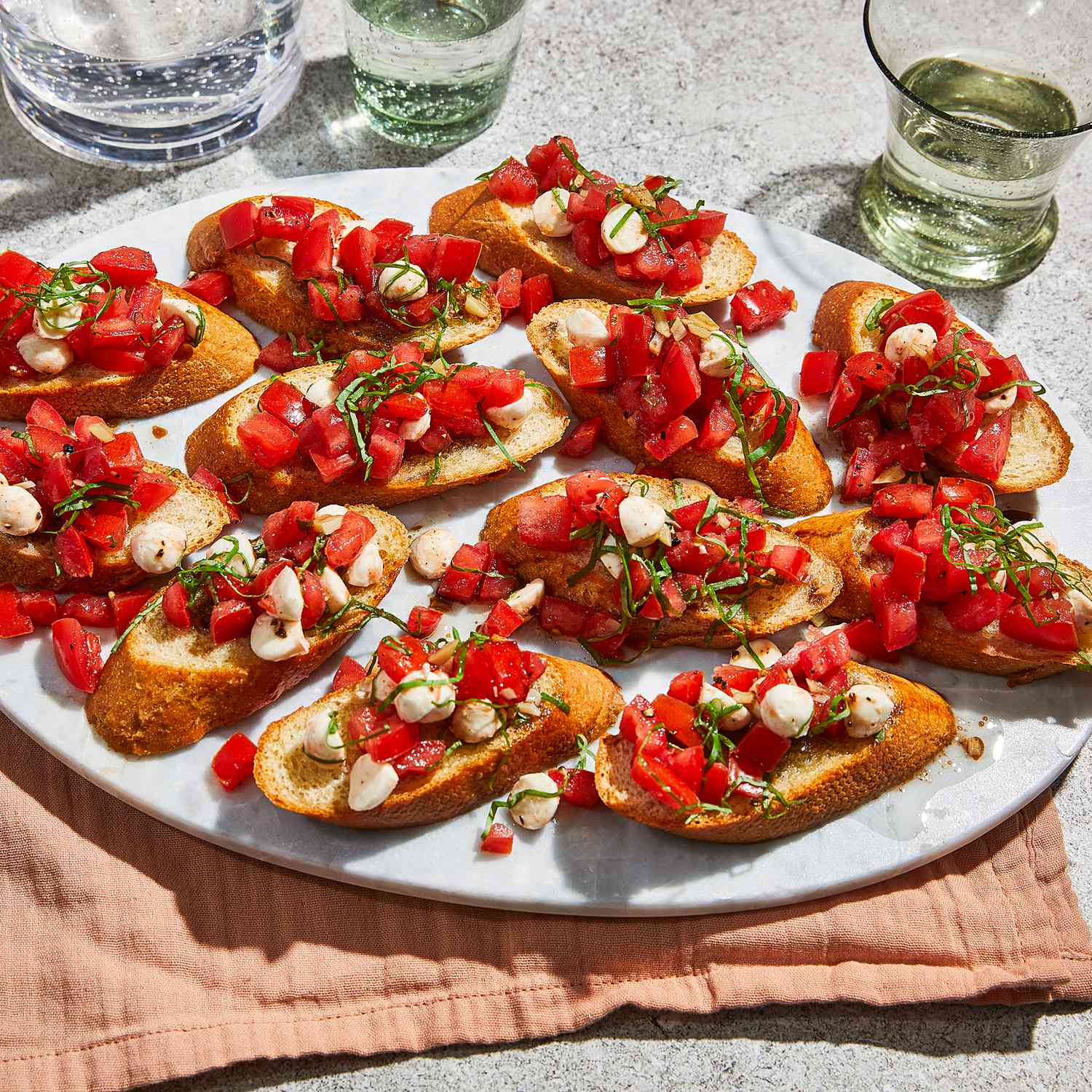
Fancy recreating that bar magic transactionally? Start with easy recipes using pantry staples—no fancy gear needed beyond a good skillet. Gambas al ajillo: Sauté shrimp in olive oil with garlic and chili for a quick zing. Tools like a pressure cooker speed up pulpo gallego, or grate tomatoes for pan con tomate on grilled bread. Host a party: Prep platters ahead for stress-free sharing.
Top home-friendly recipes:
- Patatas Bravas: Crispy potatoes with spicy sauce and allioli—boil in vinegar water first for crunch.
- Tortilla Española: Potatoes, onions, eggs fried into a fluffy omelet.
- Blistered Padrón Peppers: Char in a hot pan, salt generously—one in ten bites spicy for fun surprise.
- Stuffed Piquillo Peppers: Tuna and allioli in canned peppers on baguette.
For ingredients, source jamón ibérico online or at specialty stores. It’s cheaper than dining out and builds skills—my kitchen “tapas nights” have become legend among friends.
Tapas vs. Meze: A Comparison of Small Plates
Tapas and meze share the small-plate ethos but differ in roots and style. Tapas are Spanish bar snacks, often boozy accompaniments with bold, salty flavors to boost drinking. Meze, from the Eastern Mediterranean, form a meal of dips, veggies, and grilled meats, more veggie-forward and less tied to alcohol. Both encourage sharing, but tapas lean meaty/seafoody, meze herbier.
| Aspect | Tapas | Meze |
|---|---|---|
| Origin | Spain, bar culture | Middle East/Greece, mezze tables |
| Typical Dishes | Patatas bravas, jamón | Hummus, falafel, stuffed grape leaves |
| Serving Style | With drinks, hopping bars | As a full spread, seated |
| Focus | Salty, thirst-inducing | Fresh, balanced flavors |
Pros of tapas over meze: Quick, portable bites. Cons: Less vegetarian options traditionally.
People Also Ask
What is a tapas bar? A lively spot serving small plates with drinks—think standing room only, counters piled with temptations. In Spain, it’s social central; elsewhere, more sit-down.
What are the most traditional Spanish tapas? Classics like olives, cheese, and chorizo platters for cold; hot hits include gambas al ajillo and croquetas. Simple yet flavorful, rooted in history.
What drinks pair with tapas? Wine, sherry, or beer—sherry for salty ham, crisp whites for seafood. Vermouth’s rising for its herbal kick.
How do you order tapas like a local? Drink first, point and share; in pintxos bars, grab and stick-count. No fuss, all fun.
FAQ
Are tapas always free in Spain? Not anymore—traditionally yes with drinks in some regions like Andalusia, but most charge now. Free ones might be basic like chips; fancier cost extra.
What’s the difference between tapas and raciones? Tapas are small, single-bite shares; raciones are bigger portions for groups, like a full plate of patatas bravas.
Can tapas be vegetarian? Absolutely, though traditional ones skew meaty. Go for escalivada (roasted veggies), pan con tomate, or Padrón peppers—plenty of plant-based gems.
How many tapas make a meal? Aim for 3-5 per person when sharing; it varies by appetite and bar-hopping stamina. Pace yourself—it’s a marathon, not a sprint.
What’s the best way to experience tapas abroad? Seek authentic spots or host home versions with recipes from sites like Serious Eats. Focus on sharing and wine for that Spanish spirit.
Tapas aren’t just eats; they’re an invitation to savor life slowly, one bite at a time. Whether in a smoky bar or your kitchen, they remind us food’s best shared. Next time you’re craving adventure, grab some olives and a glass—salud!
(Word count: 2,756)