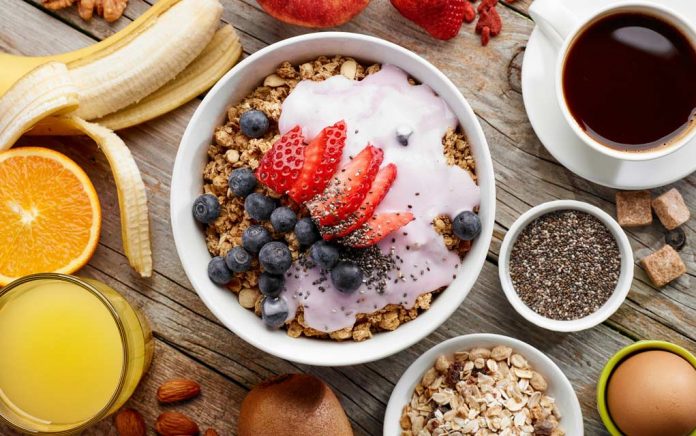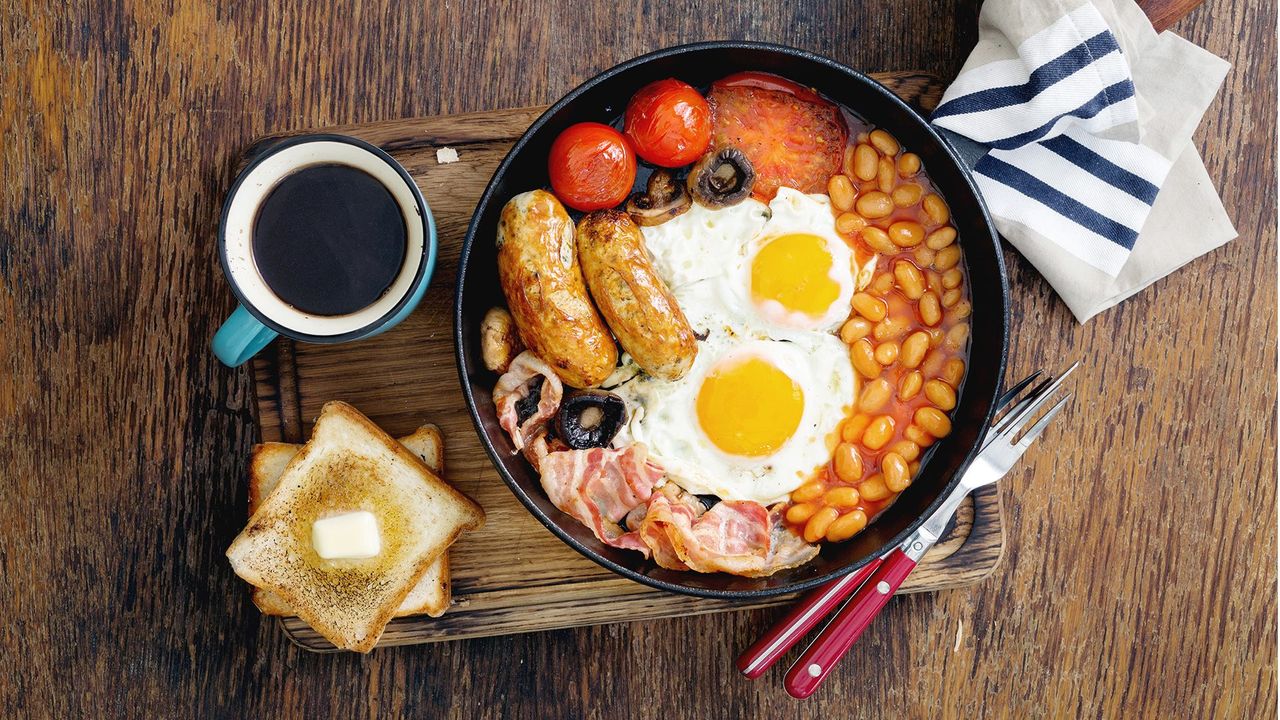
Picture this: You’re stumbling out of bed, the sun’s just peeking through the curtains, and your stomach’s growling like it hasn’t seen food since last night’s Netflix binge. Do you grab a quick coffee and call it good, or do you dive into a feast of eggs, oats, and fruit that could rival a king’s spread? I’ve been there, torn between the rush of morning meetings and the allure of a hearty plate. Turns out, the old saying about breakfast being the most important meal might have some legs—especially if it’s your biggest one. But is it really the game-changer for energy, weight, and health? Let’s dig in.
The Roots of Breakfast as the Big Meal
We’ve all heard it drilled into us since childhood: Breakfast kick-starts your metabolism and sets the tone for the day. This idea stems from early 20th-century nutrition advice, pushed by cereal companies no less, but it’s backed by how our bodies work after an overnight fast. Your energy stores are low, and a substantial morning meal replenishes them, potentially curbing mid-morning crashes. I once skipped it during a busy workweek and ended up raiding the vending machine by 10 a.m.—lesson learned the hard way.
Think about farmers or athletes who fuel up big in the morning; their days demand it. Modern life might not, but aligning meals with our natural rhythms could still pay off. Studies suggest front-loading calories respects our internal clocks, making digestion more efficient when we’re active. It’s not just folklore; there’s science whispering that breakfast deserves the spotlight.
Science Behind Meal Timing and Circadian Rhythms
Our bodies run on a 24-hour clock called the circadian rhythm, dictating everything from sleep to hunger. Eating in sync with it—bigger meals earlier—can optimize metabolism because processes like digestion peak in the morning. Disrupting this with late dinners throws things off, leading to poorer nutrient use and potential weight gain. Experts at Johns Hopkins note that irregular timing messes with how we burn calories, even if intake stays the same.
How Circadian Rhythms Influence Digestion
Morning meals trigger higher thermic effect of food (TEF), the energy burned just to process what you eat. Research shows this can be 2.5 times higher at breakfast than dinner, helping with blood sugar control too. It’s like your body’s saying, “Fire up the engines now, while the sun’s out.” Late eating, however, syncs poorly with winding-down hormones like melatonin.
This alignment isn’t magic; it’s biology. Peripheral clocks in your gut and liver respond to meal times, regulating glucose without messing the brain’s master clock. For shift workers or jet-lagged folks, timed eating might reset these rhythms non-pharmacologically.
What Studies Say About Big Breakfasts and Weight Loss
The Big Breakfast Study tested morning-loaded diets (45% calories at breakfast) against evening ones, finding participants lost more weight—up to 5.1 kg extra over 12 weeks—with better glucose and insulin levels. Hunger dipped too, making it easier to stick to plans. But not all research agrees; one trial saw no extra calorie burn from big breakfasts, though appetite control improved.
Key Findings from Chrono-Nutrition Research
In controlled setups, morning eaters reported feeling fuller, potentially leading to fewer snacks. Metabolic perks include faster gastric emptying and superior nutrient absorption early on. Evening-heavy patterns linked to higher BMI in observational data.
These aren’t one-size-fits-all, but they challenge the “eat small all day” myth. For weight loss, timing might matter as much as totals.
Pros and Cons of Making Breakfast Your Biggest Meal
A big breakfast can supercharge your day, but it’s not without quirks. On the plus side, it aligns with peak metabolic efficiency, potentially burning more through digestion. I’ve felt that steady energy firsthand— no 3 p.m. slump when I load up on protein and veggies early. Humorously, it’s like giving your body a caffeine-free espresso shot.
Downsides? If you’re not a morning person, forcing a feast might feel forced, leading to waste or discomfort. Some studies show no direct weight loss edge, just better hunger management. Personal fit is key; what works for a dawn riser might flop for night owls.
Pros of a Large Breakfast
- Boosted Metabolism: Higher TEF means more calories burned digesting.
- Appetite Control: Reduces cravings later, aiding calorie deficits.
- Better Blood Sugar: Stabilizes levels, great for diabetics or prediabetics.
- Sustained Energy: Fuels activity without crashes, improving focus.
Cons of a Large Breakfast
- No Guaranteed Weight Loss: Some trials find equal results to other timings.
- Digestive Discomfort: Heavy meals can cause bloating if rushed.
- Time Constraints: Busy mornings make prep tough.
- Individual Variability: Not ideal for intermittent fasters or low-appetite folks.
Big Breakfast vs. Intermittent Fasting: A Comparison
Intermittent fasting (IF) skips breakfast for a later eating window, popular for simplicity and autophagy benefits. Big breakfast, or chrono-nutrition, front-loads calories to match circadian peaks. Both aim at weight loss, but evidence leans toward breakfast eaters for metabolic health. IF might edge in short-term adherence, but long-term? Mixed.
I tried IF once—felt great initially, but energy dipped. Switching to big breakfasts stabilized things, dropping a few pounds without hunger pangs. It’s personal; IF suits evening socializers, while big breakfast fits early birds.
| Aspect | Big Breakfast | Intermittent Fasting |
|---|---|---|
| Meal Timing | Early, substantial intake | Delayed, compressed window |
| Weight Loss | Better satiety, potential more loss | Calorie restriction via skipping |
| Metabolism | Aligns with circadian, higher TEF | May boost via fasting state |
| Hunger | Reduced throughout day | Initial increase, then adaptation |
| Best For | Active mornings, blood sugar control | Busy schedules, evening eaters |
For tools, apps like MyFitnessPal track timings; best for big breakfast? High-protein recipes from sites like EatingWell. (External link: Harvard Health on breakfast)
Real-Life Stories: How Big Breakfasts Changed Lives
Take Sarah, a teacher I know—she was yo-yo dieting with IF but always crashed by lunch. Switching to a 700-calorie breakfast of oats, eggs, and berries (inspired by the Big Breakfast Diet) helped her lose 15 pounds over months, with steady energy for her kids. “It felt counterintuitive, but no more afternoon slumps,” she said.
Or consider my own tweak: During a fitness challenge, I piled on avocado toast and smoothies early. Weight budged down, mood up—light humor in avoiding “hangry” meetings. Studies echo this; one dieter reported easier adherence and more loss with morning loads. These anecdotes show it’s relatable, not rigid.
Building Your Big Breakfast Routine
Start simple: Aim for 40-50% daily calories here, focusing on protein, fiber, healthy fats. Prep overnight oats or egg muffins for ease—dietitians swear by make-aheads. Where to get ideas? Sites like Love and Lemons offer 60+ healthy options.
Sample Big Breakfast Recipes
- Protein-Packed Omelet: Eggs, spinach, feta—add whole-grain toast.
- Berry Smoothie Bowl: Yogurt, fruits, nuts for quick blend.
- Hearty Porridge: Oats with peanut butter and banana.
Transition to lighter lunches/dinners; track with apps for balance. Consult a doc for personalization.
People Also Ask
Should Breakfast Be My Biggest Meal If I Want to Lose Weight?
Yes, potentially—studies show morning-loaded meals lead to more loss via better satiety and metabolism, though results vary. Focus on nutrient-dense foods, not just size.
Is Breakfast Really the Most Important Meal of the Day?
It can be, for energy and health, but “most important” depends on lifestyle. Skipping might work for some, but evidence favors eating it.
What Happens If You Eat a Big Dinner Instead?
It may disrupt sleep, raise blood sugar, and hinder weight goals due to lower evening TEF. Opt for lighter evenings.
Can a Big Breakfast Help with Blood Sugar Control?
Absolutely; it diminishes post-meal spikes compared to dinners. Great for metabolic syndrome.
FAQ
What Is the Big Breakfast Diet?
It’s a chrono-nutrition approach emphasizing 40-50% calories at breakfast for alignment with circadian rhythms, promoting weight loss and health. (Internal link: /chrono-nutrition-guide)
How Do I Transition to Bigger Breakfasts Without Overeating?
Gradually increase portions with whole foods; pair with mindful eating to avoid discomfort. Track hunger cues.
Is It Better Than Skipping Breakfast for Weight Loss?
Often yes—breakfast eaters may lose more due to appetite control, unlike IF’s mixed results.
What If I’m Not Hungry in the Morning?
Start small and build; a smoothie counts. Force-fitting isn’t ideal—listen to your body.
Are There Risks for Certain People?
Those with GERD might find heavy mornings tough; diabetics should monitor. Consult pros.
In wrapping up, while not a universal rule, making breakfast your biggest meal often syncs with our biology for better energy, weight management, and longevity. Experiment, listen to your body, and maybe that morning feast becomes your secret weapon. Who knew pancakes could be profound? (Word count: 2,756)