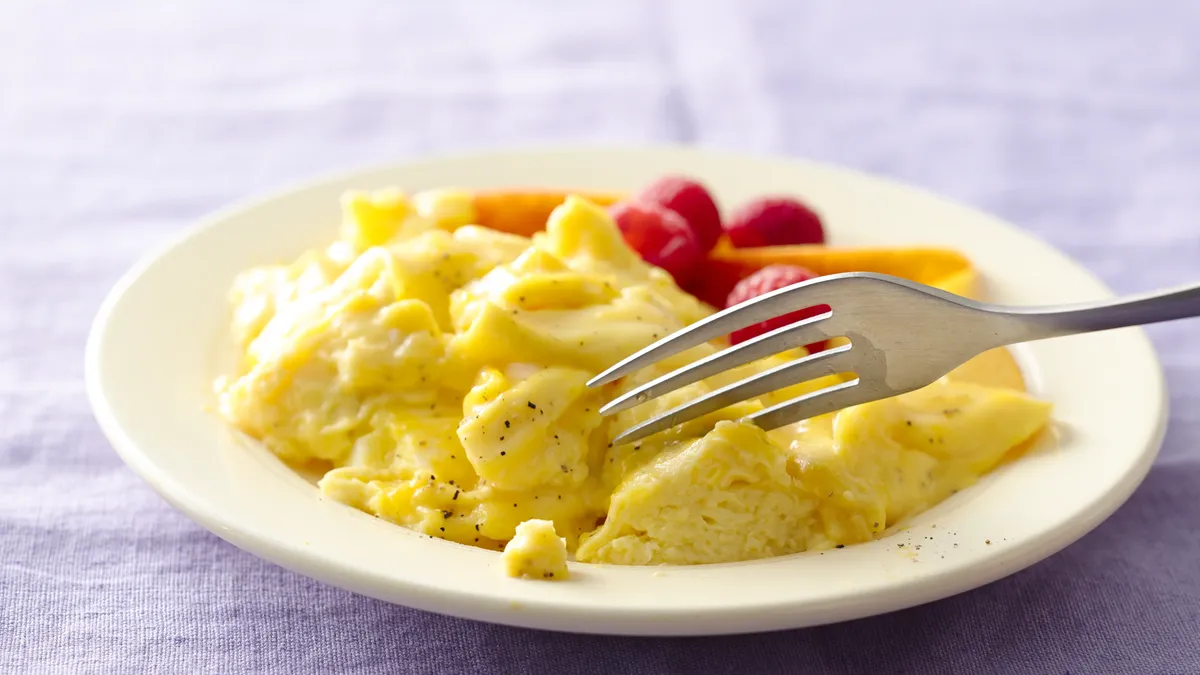
Scrambled eggs are the ultimate comfort food—simple, versatile, and packed with protein to kickstart your day. Whether you’re a kitchen newbie or a seasoned home cook, mastering scrambled eggs is a skill that elevates your breakfast game. This guide dives deep into every aspect of making perfect scrambled eggs, from choosing the right eggs to mastering the fluffiest texture. With personal tips, practical advice, and a touch of humor, you’ll be whipping up restaurant-quality scrambled eggs in no time.
Why Scrambled Eggs Are a Breakfast Staple
Scrambled eggs are beloved worldwide for their simplicity and adaptability. They’re quick to make, budget-friendly, and can be customized with endless add-ins like cheese, herbs, or veggies. Whether you’re cooking for one or feeding a crowd, scrambled eggs are a go-to dish that never disappoints.
The History of Scrambled Eggs
Scrambled eggs have been around for centuries, with origins tracing back to ancient civilizations. The Romans enjoyed a version called ova spongia ex lacte, a fluffy egg dish mixed with milk. Today, scrambled eggs are a global favorite, with each culture adding its own twist—like spicy masala scrambled eggs in India or creamy oeufs brouillés in France.
Choosing the Right Ingredients
The beauty of scrambled eggs lies in their minimal ingredient list, but quality matters. Fresh, high-quality ingredients make all the difference in flavor and texture. Let’s break down the essentials.
Eggs: The Star of the Show
Always opt for fresh eggs—check the carton for the “sell by” date or crack one open to ensure a vibrant yolk. Free-range or organic eggs often have richer flavor due to the hens’ varied diet. For a single serving, two to three large eggs are perfect.
Milk, Cream, or Water?
Adding a splash of liquid helps create softer, fluffier scrambled eggs. Whole milk adds creaminess, while heavy cream gives a luxurious texture. Water works too, lightening the eggs without extra fat. Use about one tablespoon of liquid per egg for the best consistency.
Butter vs. Oil
Butter is the classic choice for scrambled eggs, imparting a rich, nutty flavor. Unsalted butter lets you control the saltiness. If you prefer oil, a neutral option like avocado or grapeseed oil works well, but olive oil can add a subtle fruity note.
Seasonings and Add-Ins
Salt and pepper are non-negotiable, but don’t stop there. Fresh herbs like chives or parsley add brightness, while grated cheese (cheddar, feta, or parmesan) brings depth. For a gourmet touch, try smoked salmon, sautéed mushrooms, or diced tomatoes.
| Ingredient | Purpose | Best Choice |
|---|---|---|
| Eggs | Main component | Fresh, free-range |
| Milk/Cream | Adds fluffiness | Whole milk or heavy cream |
| Butter/Oil | Prevents sticking | Unsalted butter or neutral oil |
| Salt & Pepper | Enhances flavor | Sea salt, freshly ground pepper |
| Add-Ins | Customizes taste | Cheese, herbs, veggies |
Essential Tools for Perfect Scrambled Eggs
You don’t need a fancy kitchen to make great scrambled eggs, but the right tools help. Here’s what you’ll need to set yourself up for success.
Nonstick Skillet or Frying Pan
A small nonstick skillet (8–10 inches) is ideal for one to two servings. Nonstick surfaces prevent eggs from sticking and make cleanup a breeze. If using stainless steel, ensure it’s well-seasoned to avoid a mess.
Whisk or Fork
A whisk creates a uniform egg mixture, but a fork works just as well for small batches. The goal is to blend the yolks and whites thoroughly for even cooking.
Spatula
A heat-resistant silicone spatula is perfect for gently stirring eggs. Avoid metal utensils, as they can scratch nonstick pans and disrupt the delicate curds.
Bowl for Mixing
A medium-sized bowl gives you enough space to whisk eggs with add-ins. Glass or ceramic bowls are great, as they don’t retain odors like plastic.
Step-by-Step Guide to Making Scrambled Eggs
Now, let’s get to the heart of this guide: how to make scrambled eggs that are fluffy, flavorful, and foolproof. Follow these steps, and you’ll be a pro in no time.
Step 1: Prepare Your Ingredients
Crack 2–3 eggs into a bowl, add a tablespoon of milk or cream per egg, and season with a pinch of salt and pepper. Whisk until fully combined. Pro tip: Let the eggs sit at room temperature for 10 minutes for even cooking.
Step 2: Preheat the Pan
Place your nonstick skillet over medium-low heat and add a pat of butter (about 1–2 teaspoons). Let it melt and foam, but don’t let it brown. If using oil, ensure it shimmers but doesn’t smoke.
Step 3: Cook the Eggs
Pour the egg mixture into the pan. Let it sit for 10–15 seconds, then gently stir with a spatula, pushing the eggs from one side of the pan to the other. Keep stirring every few seconds to form soft curds.
Step 4: Add Optional Ingredients
When the eggs are about 70% set but still slightly runny, add cheese, herbs, or other add-ins. Fold them in gently to distribute evenly. Avoid overmixing, as it can make the eggs tough.
Step 5: Finish and Serve
Remove the pan from heat when the eggs are just underdone—they’ll continue cooking from residual heat. Serve immediately on warm plates with toast, avocado, or a side salad for a complete meal.
Tips for Fluffy, Creamy Scrambled Eggs
Achieving that perfect texture takes a little finesse. Here are some expert tips to elevate your scrambled eggs from good to great.
- Low and Slow: Cook over medium-low heat to prevent rubbery eggs. Patience is key for soft, creamy curds.
- Don’t Overmix: Stir gently to form large, pillowy curds rather than small, grainy ones.
- Season Early: Adding salt before cooking helps break down the egg proteins, resulting in a tender texture.
- Use Fresh Eggs: Older eggs can become watery, affecting the final texture.
- Don’t Overcook: Remove eggs from the heat when they’re slightly underdone to avoid dryness.
Common Mistakes to Avoid
Even seasoned cooks can slip up. Here’s a quick rundown of pitfalls and how to steer clear.
| Mistake | Why It’s Bad | How to Fix It |
|---|---|---|
| High Heat | Makes eggs tough | Use medium-low heat |
| Overmixing | Creates grainy texture | Stir gently, less often |
| Old Eggs | Watery, less flavorful | Check freshness before use |
| Late Seasoning | Uneven flavor | Add salt during whisking |
Scrambled Eggs Variations Around the World
Scrambled eggs are a global dish with countless variations. Here are a few to inspire your next breakfast adventure.
American-Style Scrambled Eggs
Fluffy and simple, American scrambled eggs are often served with bacon, toast, and hashbrowns. They’re lightly seasoned and cooked until just set.
French-Style Oeufs Brouillés
French scrambled eggs are ultra-creamy, cooked low and slow with constant stirring. They’re often served with crusty baguette or topped with caviar for a luxurious twist.
Indian Masala Scrambled Eggs
Spiced with turmeric, cumin, and chili, these eggs are cooked with onions, tomatoes, and cilantro for a bold, flavorful dish. Perfect with paratha or naan.
Mexican Huevos Revueltos
Mixed with sautéed onions, jalapeños, and tomatoes, Mexican scrambled eggs are vibrant and spicy. Serve with warm tortillas and salsa for a hearty breakfast.
Pros and Cons of Scrambled Eggs
Like any dish, scrambled eggs have their strengths and weaknesses. Here’s a quick overview.
Pros:
- Quick and easy to prepare
- Budget-friendly and versatile
- High in protein and nutrients
- Customizable with endless add-ins
Cons:
- Can become rubbery if overcooked
- Requires attention to avoid sticking
- Not ideal for meal prep (best fresh)
People Also Ask (PAA) Section
Here are answers to common questions about scrambled eggs, based on real Google searches.
How Many Eggs Should I Use for Scrambled Eggs?
For one person, 2–3 large eggs are ideal, providing a satisfying portion. If you’re adding hearty ingredients like cheese or veggies, two eggs might suffice. Adjust based on appetite or number of servings.
Can You Make Scrambled Eggs Without Milk?
Absolutely! Milk is optional and can be replaced with water or omitted entirely. The eggs will still be delicious, though slightly less creamy. Whisk thoroughly for fluffiness.
How Do I Make Scrambled Eggs Fluffy?
Use low heat, add a splash of milk or cream, and stir gently to form large curds. Remove the eggs from heat when slightly underdone, as they’ll continue cooking from residual heat.
What’s the Best Pan for Scrambled Eggs?
A nonstick skillet (8–10 inches) is best for easy cooking and cleanup. Ensure it’s preheated with butter or oil to prevent sticking. A well-seasoned cast-iron pan can also work.
FAQ Section
How Long Do Scrambled Eggs Take to Cook?
On medium-low heat, scrambled eggs take about 3–5 minutes. Cooking time varies based on pan size, heat level, and the number of eggs. Stir frequently for even cooking.
Can I Make Scrambled Eggs in Advance?
Scrambled eggs are best fresh, as reheating can make them rubbery. If you must prep ahead, slightly undercook them and store in an airtight container for up to two days. Reheat gently.
Are Scrambled Eggs Healthy?
Yes! Eggs are rich in protein, vitamins B12 and D, and healthy fats. Moderation is key due to cholesterol, but for most people, 1–2 eggs daily are part of a balanced diet.
What Can I Add to Scrambled Eggs for Flavor?
Try grated cheese, fresh herbs (chives, parsley), sautéed veggies (mushrooms, spinach), or proteins like smoked salmon or bacon. Experiment with spices like paprika or cayenne for a kick.
Can I Freeze Scrambled Eggs?
Freezing is possible but not recommended, as the texture becomes watery upon thawing. If you freeze them, store in an airtight container for up to a month and reheat slowly.
Where to Get the Best Ingredients
For the freshest eggs, visit local farmers’ markets or trusted grocery stores like Whole Foods or Trader Joe’s. High-quality butter and cheese can be found at specialty stores or online retailers like iGourmet. For budget-friendly options, check out Walmart or Aldi.
Best Tools for Making Scrambled Eggs
Invest in a reliable nonstick skillet, like the T-fal Professional Nonstick Fry Pan. A silicone spatula, such as the OXO Good Grips Silicone Spatula, is durable and gentle on pans. For whisking, a simple stainless steel whisk from KitchenAid does the trick.
A Personal Story: My Scrambled Egg Journey
Growing up, my dad made scrambled eggs every Sunday, and they were always overcooked—think rubbery, sad curds. One morning, I took over the kitchen, determined to do better. After a few YouTube tutorials and a lot of trial and error (including one very salty batch), I nailed it: fluffy, creamy eggs that earned my family’s approval. That moment sparked my love for cooking, proving that even the simplest dishes can bring joy when done right.
Conclusion
Scrambled eggs are more than just a quick breakfast—they’re a canvas for creativity, a test of technique, and a dish that brings people together. By choosing quality ingredients, using the right tools, and following a few simple steps, you can create scrambled eggs that are fluffy, flavorful, and unforgettable. Whether you keep it classic or experiment with global flavors, this humble dish is sure to impress. So, grab your skillet, crack some eggs, and start cooking—your perfect plate of scrambled eggs is just minutes away.