Meal prepping isn’t just a trend—it’s a lifesaver for busy folks juggling work, family, and everything in between. At Food Network, staffers like recipe developers and stylists have turned it into an art form, sharing hacks that make healthy eating effortless. Drawing from their real-world tips, this guide breaks down strategies to batch cook, store smart, and avoid burnout, so you can savor flavorful meals without the daily grind.
Why Food Network Pros Embrace Meal Prep
Food Network team members swear by meal prep because it saves time and keeps creativity alive in the kitchen. Recipe developers often batch ingredients to test multiple dishes, turning one session into a week’s worth of inspiration. It’s about efficiency without sacrificing taste, helping even the busiest eaters stay nourished.
The Shift to Ingredient Prep
One staffer ditched full meals for mix-and-match ingredients after realizing repetition kills excitement. Prepping proteins, grains, and veggies separately lets you assemble fresh combos daily, like tossing grilled chicken into salads or wraps.
Batch Cooking for Busy Weeks
Recipe pros at Food Network focus on versatile staples like roasted veggies or cooked grains that reheat well. This approach cuts down on waste and ensures balanced plates, drawing from their daily recipe testing routines.
Essential Tools for Efficient Meal Prep
The right gear makes all the difference, as Food Network staffers know from styling shoots and home cooking. Nonstick sheet pans and quality containers streamline the process, turning prep into a breeze.
Sheet Pans for One-Pan Wonders
Staffers love sheet pans for roasting fajitas or veggies—foil-lined for zero cleanup. They’re ideal for batching proteins and produce, freeing up time for flavor tweaks.
Storage Containers That Last
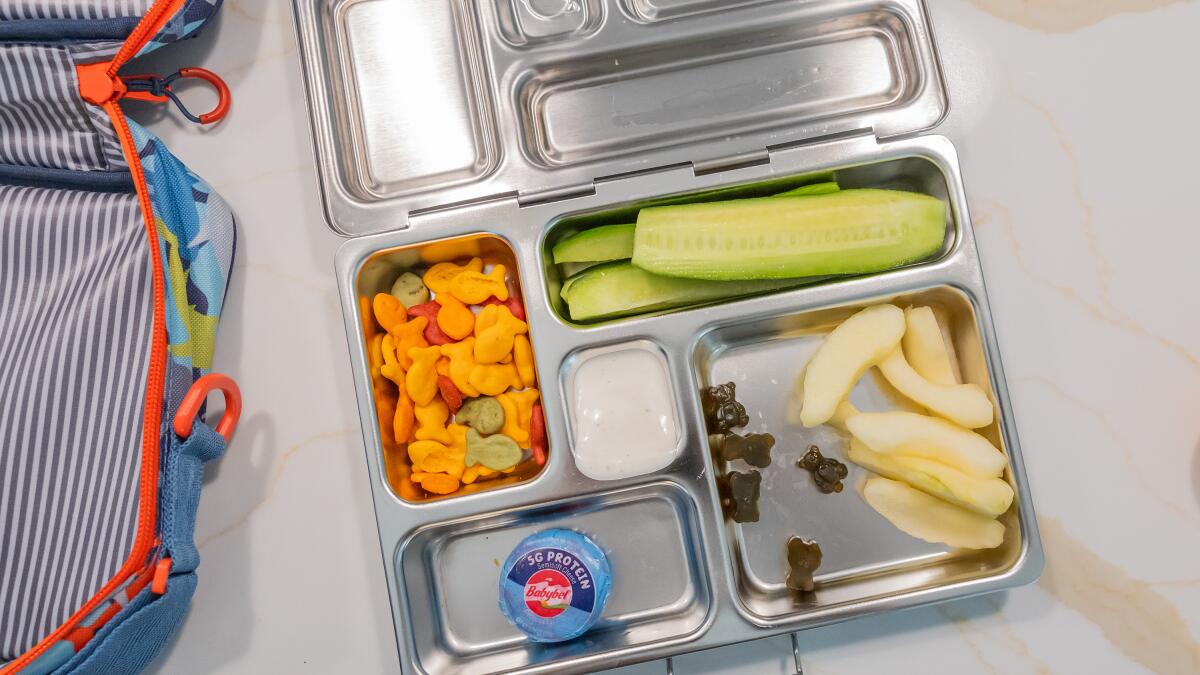
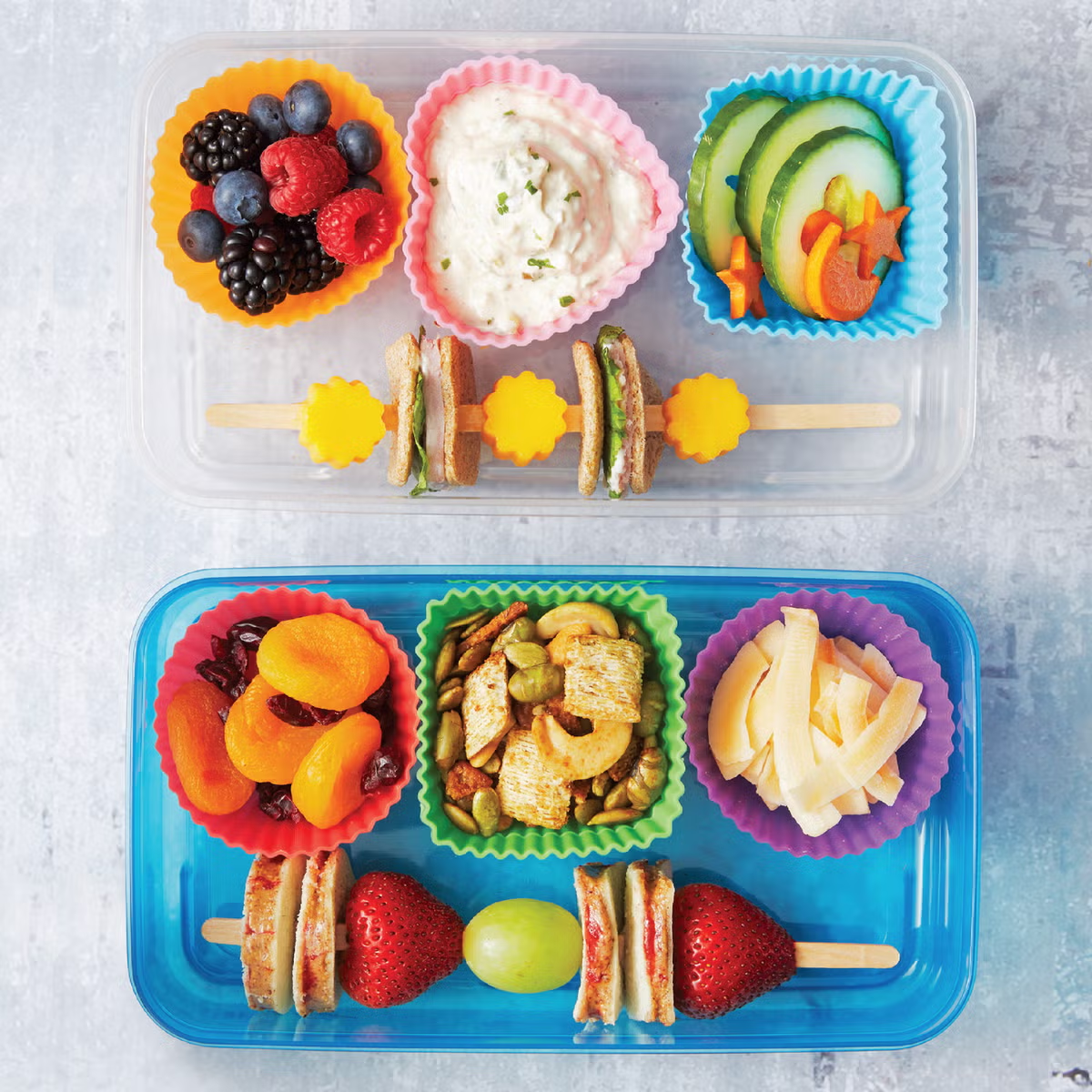
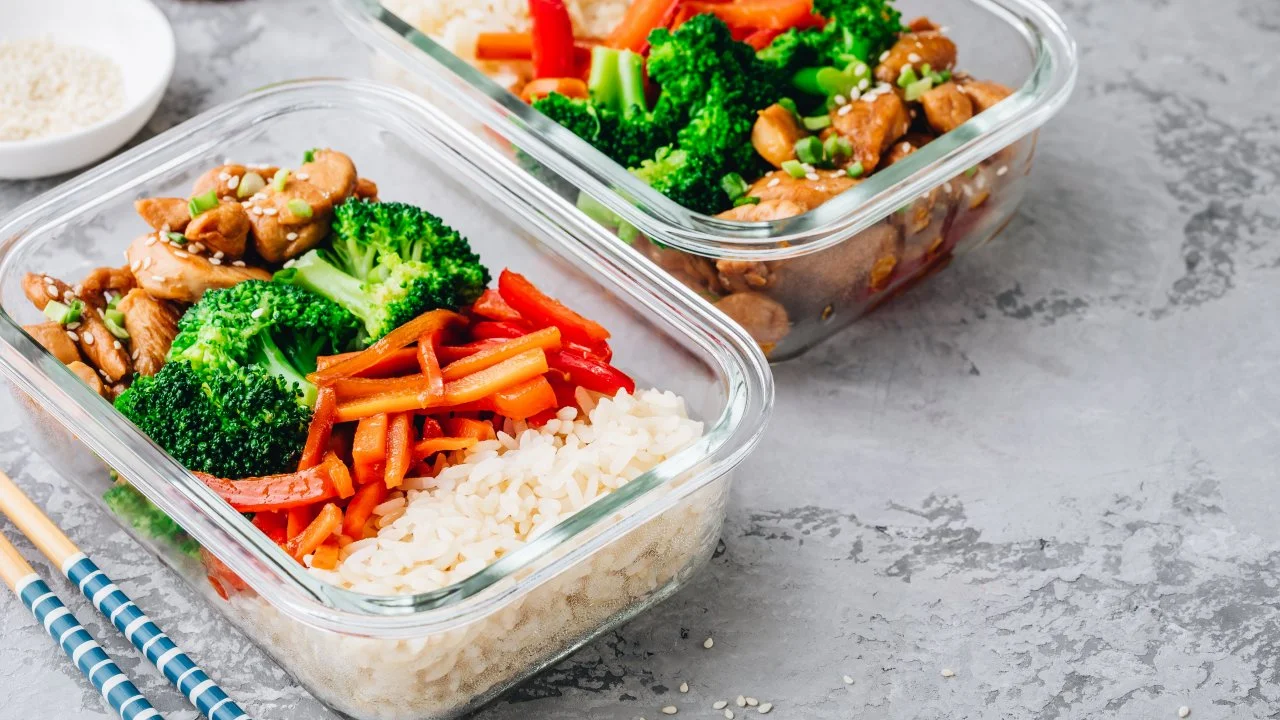
Glass or BPA-free plastic sets with compartments keep meals organized and fresh. Food Network recommends microwave-safe options for easy reheating, like those from Target for bulk buys.
Must-Have Kitchen Gadgets
Instant Pots speed up grains and beans, while sharp knives handle veggie chopping. Pros suggest investing in a meat thermometer for perfect proteins every time.
| Tool | Why Staffers Love It | Best For |
|---|---|---|
| Sheet Pan | Easy cleanup, versatile roasting | Veggies, proteins |
| Glass Containers | Durable, stackable | Fridge storage |
| Instant Pot | Quick batch cooking | Grains, beans |
Step-by-Step Meal Prep from Food Network Experts
Food Network’s recipe team outlines a foolproof process: plan, shop, prep, and store. Their strategies emphasize fresh twists to keep meals exciting.
Plan Your Week’s Staples
Start with a simple list of proteins, grains, and veggies based on your schedule. Staffers suggest themes like “sheet pan everything” to simplify decisions.
Shop Smart and Efficiently
Hit the store with a department-organized list to avoid impulse buys. Focus on versatile items like eggs or frozen peas for last-minute adds.
Batch Cook Like a Pro
Roast veggies and proteins on sheet pans while boiling grains. Cool everything quickly to maintain texture and safety.
Portion and Store for Freshness
Divide into single-serve containers, labeling with dates. Keep wet and dry items separate to prevent sogginess.
Beginner-Friendly Recipes Inspired by Staff Tips
Food Network staffers adapt simple recipes for prep, focusing on make-ahead ease. These yield multiple servings with minimal fuss.
Sheet Pan Fajitas
Slice peppers, onions, and chicken; toss with spices and roast. Portion with rice for wraps or bowls—staff favorite for variety.
Hard-Boiled Eggs and Veggies
Air-fry eggs and roast broccoli for salads or snacks. Adaptable protein that lasts all week.
Quinoa Bowls with Mix-Ins
Cook quinoa, add chopped veggies and chickpeas. Drizzle with homemade dressing for endless combos.
- Pros of These Recipes: Quick assembly, nutrient-packed, customizable.
- Cons: Requires initial planning; flavors may mellow over days.
Advanced Strategies from Recipe Developers
Beyond basics, Food Network pros use tricks like prepping dressings or grilling proteins ahead. This keeps meals vibrant.
Homemade Dressings and Sauces
Whip up a jar of vinaigrette to elevate salads all week. Store separately to avoid wilting greens.
Freezer-Friendly Batch Items
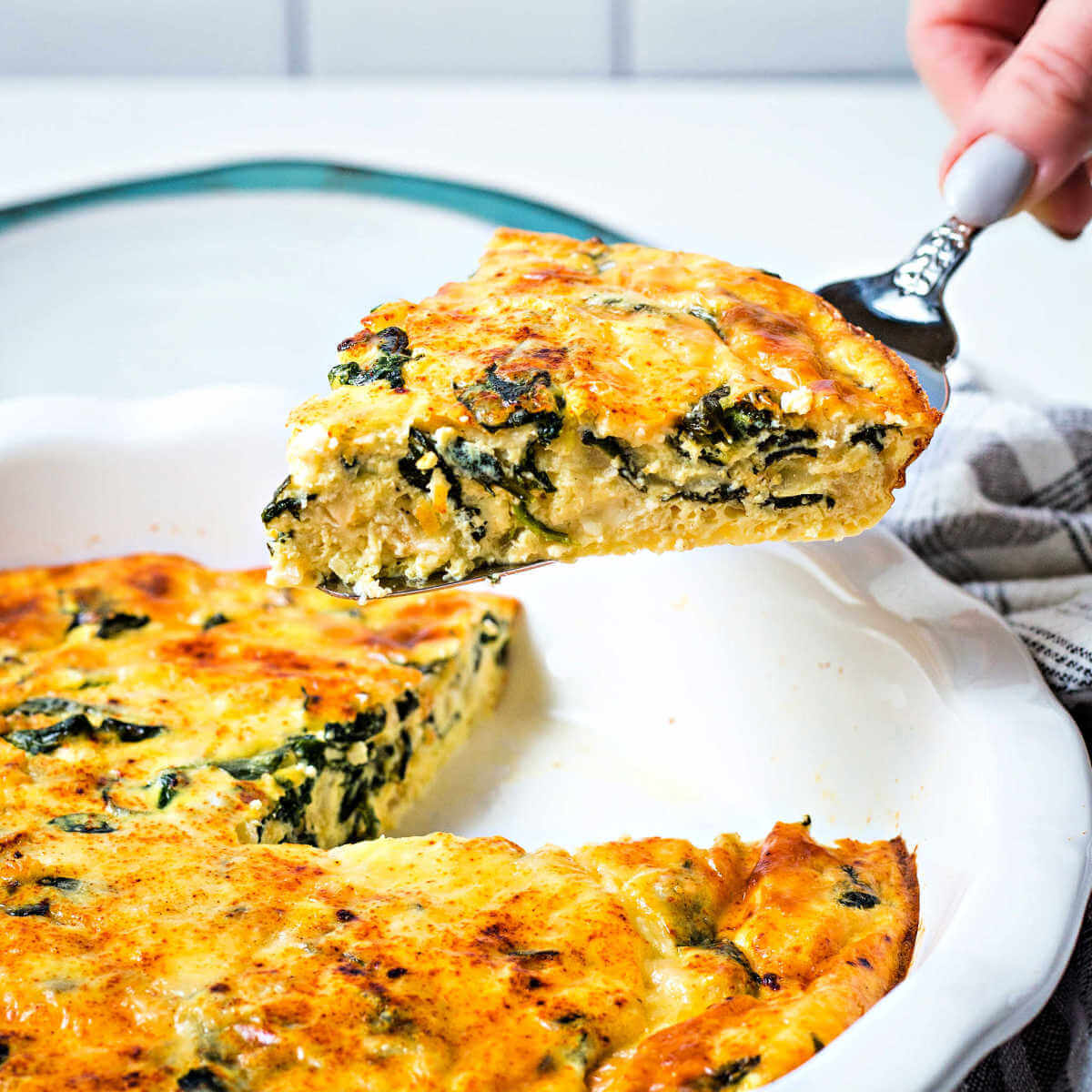
Portion soups or stews for later thawing. Developers freeze casseroles for busy nights.
Incorporating Family Favorites
Discuss preferences to build buy-in. Theme weeks around rice or pasta for fun.
Common Pitfalls and How to Dodge Them
Even experts slip up, but Food Network staffers share fixes for overcooking or boredom.
Overcooking and Texture Loss
Cook al dente and reheat gently. Avoid microwaving everything—steam veggies instead.
Boring Repetition
Rotate themes weekly, like noodle vs. grain bowls. Add fresh herbs before eating.
Food Safety Oversights
Thaw in fridge, not counter. Cool rice quickly to prevent bacteria.
| Mistake | Impact | Fix |
|---|---|---|
| High-heat batching | Dry food | Low and slow roasting |
| Poor storage | Spoilage | Airtight, dated containers |
| No variety | Burnout | Ingredient mix-and-match |
Pros and Cons of Staffer Strategies
Food Network approaches balance convenience with creativity, but they’re not perfect.
Pros:
- Saves time and money on takeout.
- Promotes healthier eating habits.
- Reduces waste through planning.
Cons:
- Upfront time investment.
- Risk of monotony without tweaks.
- Learning curve for storage safety.
Comparison: Full Meals vs. Ingredient Prep
Full meal prepping locks in portions but limits flexibility, while ingredient prep shines for variety. Staffers favor the latter for dynamic weeks.
- Full Meals: Best for consistency; great for beginners. Downside: Quick boredom.
- Ingredient Prep: Endless combos; fresher taste. Needs more assembly time.
Choose based on your schedule—try both for a hybrid win.
People Also Ask (PAA) Section
These common queries from Google searches highlight real user concerns, answered with Food Network-inspired wisdom.
How Do I Start Meal Prepping as a Beginner?
Begin small: Prep 2-3 days’ worth of staples like eggs and veggies. Use apps for lists and build from there.
What Are Effective Strategies for Busy Professionals?
Batch cook on weekends, focusing on versatile ingredients. Share lists via apps for family input.
How Long Does Meal Prep Take?
10-15 minutes planning, plus 1-2 hours cooking for a week. Start with shorter sessions to avoid overwhelm.
FAQ Section
Can I Meal Prep for a Family?
Yes—prep shared staples like grilled chicken for multiple uses. Involve everyone in planning for buy-in.
How Do I Keep Meals from Getting Boring?
Mix themes and add fresh elements like lemon squeezes. Ingredient prep allows daily customization.
What’s the Best Way to Store Prepped Food?
Use airtight glass containers; label dates and refrigerate promptly. Freeze extras for longer life.
Are There Tools for Meal Planning?
Apps like shared notes or grocery lists streamline it. For hardware, sheet pans and Instant Pots top lists.
How Can I Avoid Food Waste in Meal Prep?
Portion accurately and use versatile ingredients. Freeze what you won’t eat soon.
Where to Get the Best Meal Prep Tools
Shop Target for affordable sheet pans and containers endorsed by Food Network. For premium glass sets, check reviews on The Spruce Eats.
Best Recipes and Plans for Beginners
Start with Food Network’s easy ideas, like herby chicken nuggets. Budget-friendly options abound on sites like Budget Bytes.
A Personal Story: My Meal Prep Wake-Up Call
I used to grab takeout after long days, until a Food Network binge inspired me to try sheet pan preps. My first batch—fajitas and quinoa—lasted three days, saving cash and sanity. Now, it’s my ritual, blending staffer tips with family tweaks for joyful, stress-free eating.
Conclusion
Embracing Food Network staffers’ meal prep strategies transforms chaotic weeks into flavorful ones. From sheet pan hacks to smart storage, these tips build habits that nourish body and soul. Dive in, experiment, and watch how a little planning unlocks big rewards—your future self will thank you.