I’ve always been the type to stretch a meal as far as it can go—growing up, my mom would whip up a big Sunday roast, and we’d be eating variations of it all week. It wasn’t just about saving money; it was clever cooking that kept things exciting. These days, with busy schedules and rising grocery bills, turning dinner leftovers into lunch feels like a small victory. From stir-fries to salads, these eight methods help reduce waste while delivering tasty, no-fuss midday meals that beat a boring sandwich every time.
Why Repurposing Leftovers Saves Time and Money
Transforming yesterday’s dinner into today’s lunch is a smart hack for anyone juggling work and home life. It cuts down on food waste—something we all deal with—and lets flavors deepen overnight for even better taste. Plus, it’s budget-friendly; one pot of chili can fuel multiple meals without extra shopping trips.
I remember raiding the fridge after a family pasta night, mixing in veggies for a quick salad. It turned potential trash into treasure, and now it’s my go-to strategy for weeknight ease.
Way 1: Build a Grain Bowl with Leftover Rice or Quinoa
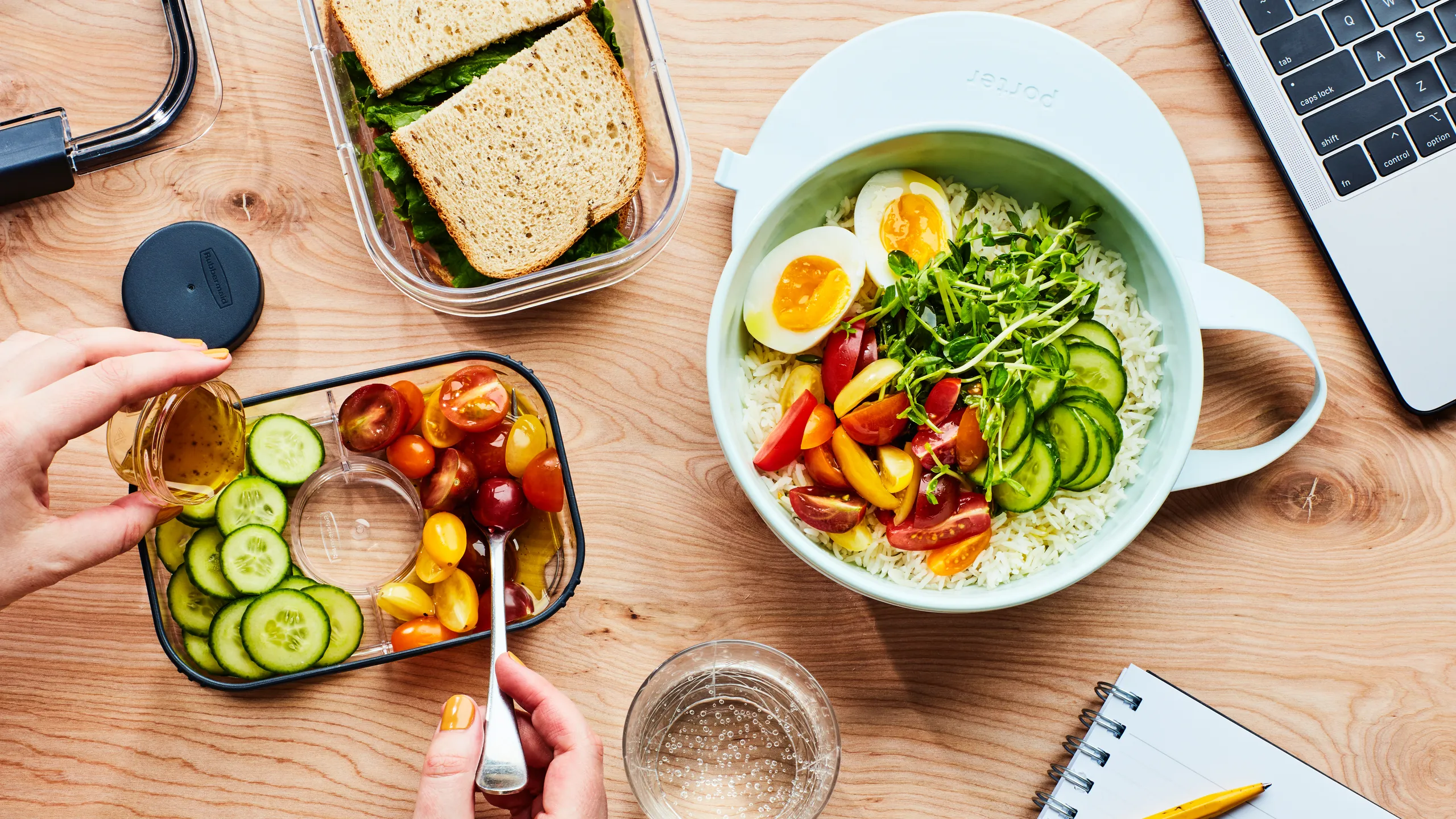
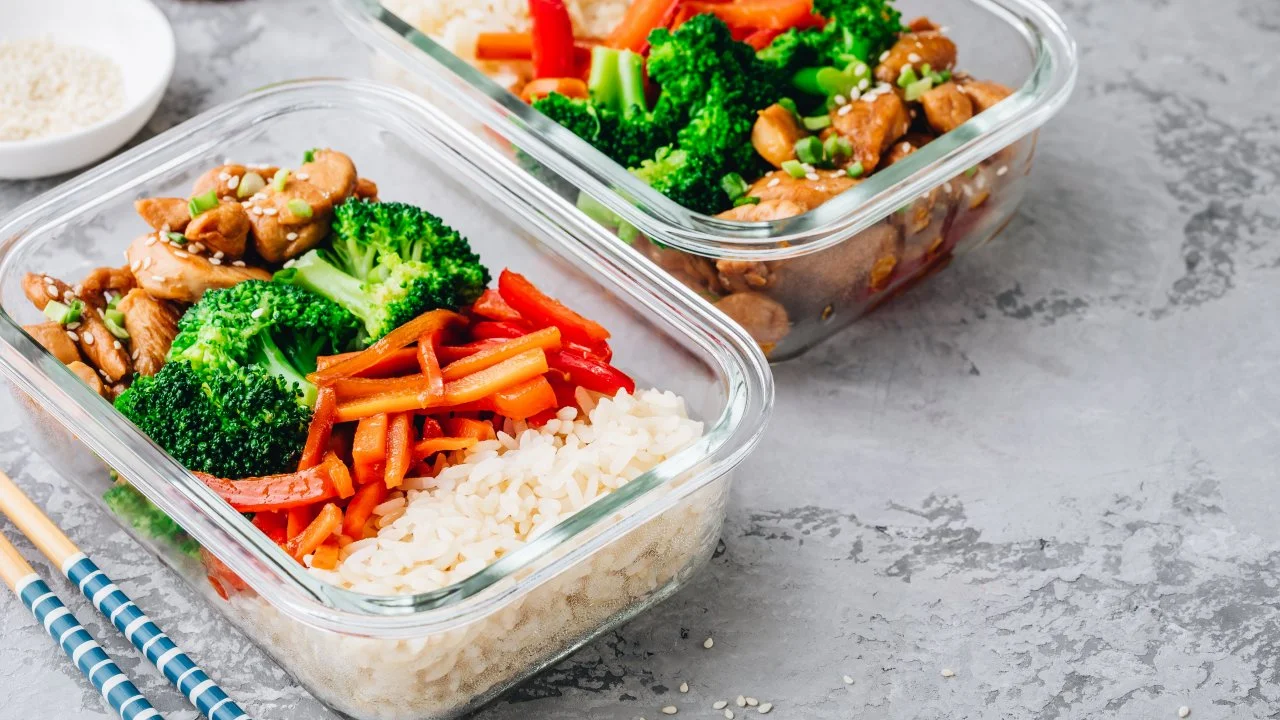
Grain bowls are versatile canvases for leftovers, starting with cooked rice or quinoa as the base. Layer on proteins like shredded chicken or beans, add fresh veggies, and drizzle with a simple dressing. This method turns bland staples into a balanced, portable lunch that’s ready in minutes.
Reheating the grains gently keeps them fluffy, while cold options work for no-microwave days. It’s a forgiving format—experiment with spices to refresh the vibe.
Tips for Customizing Your Grain Bowl
Start with about a cup of grains per serving, then mix in a half-cup of protein and chopped produce like bell peppers or spinach. A squeeze of lime or tahini adds zing without much effort.
Personal favorite: Leftover teriyaki chicken over quinoa with edamame—feels like takeout but costs pennies.
Way 2: Transform Meats into Wraps or Sandwiches
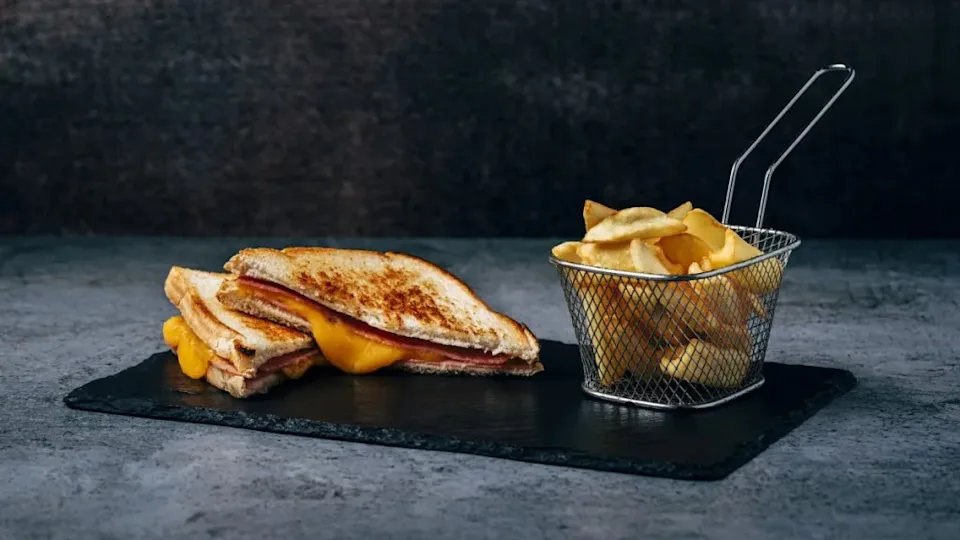
Shredded meats from roasts or tacos shine in wraps, where tortillas or lettuce leaves cradle them with crunch from cabbage or pickles. Add cheese or sauce for moisture, and you’ve got a handheld lunch that travels well.
This approach revives drier proteins by reintroducing textures and flavors. It’s especially great for pulled pork or chicken, which pair with BBQ or pesto effortlessly.
Pros and Cons of Meat-Based Wraps
Pros:
- Quick assembly with minimal cooking.
- Customizable for dietary needs, like gluten-free wraps.
- Portable and mess-free for on-the-go eating.
Cons:
- Meats can dry out if not stored properly.
- May require added moisture like mayo to taste fresh.
- Not ideal for vegetarians without swaps.
Balance these by prepping components separately for mix-and-match appeal.
Way 3: Create Soups or Stews from Veggie Scraps and Proteins
Blend leftover veggies with broth and any proteins for a hearty soup—think carrot ends and chicken bits simmered into minestrone. It’s a one-pot wonder that hides imperfections under bold seasonings like herbs or curry paste.
Soups improve with time, as flavors meld, making them perfect for batching ahead. Freeze portions for longer life.
One winter, I turned roast veggies into a creamy blend—added warmth to chilly lunch breaks without starting from scratch.
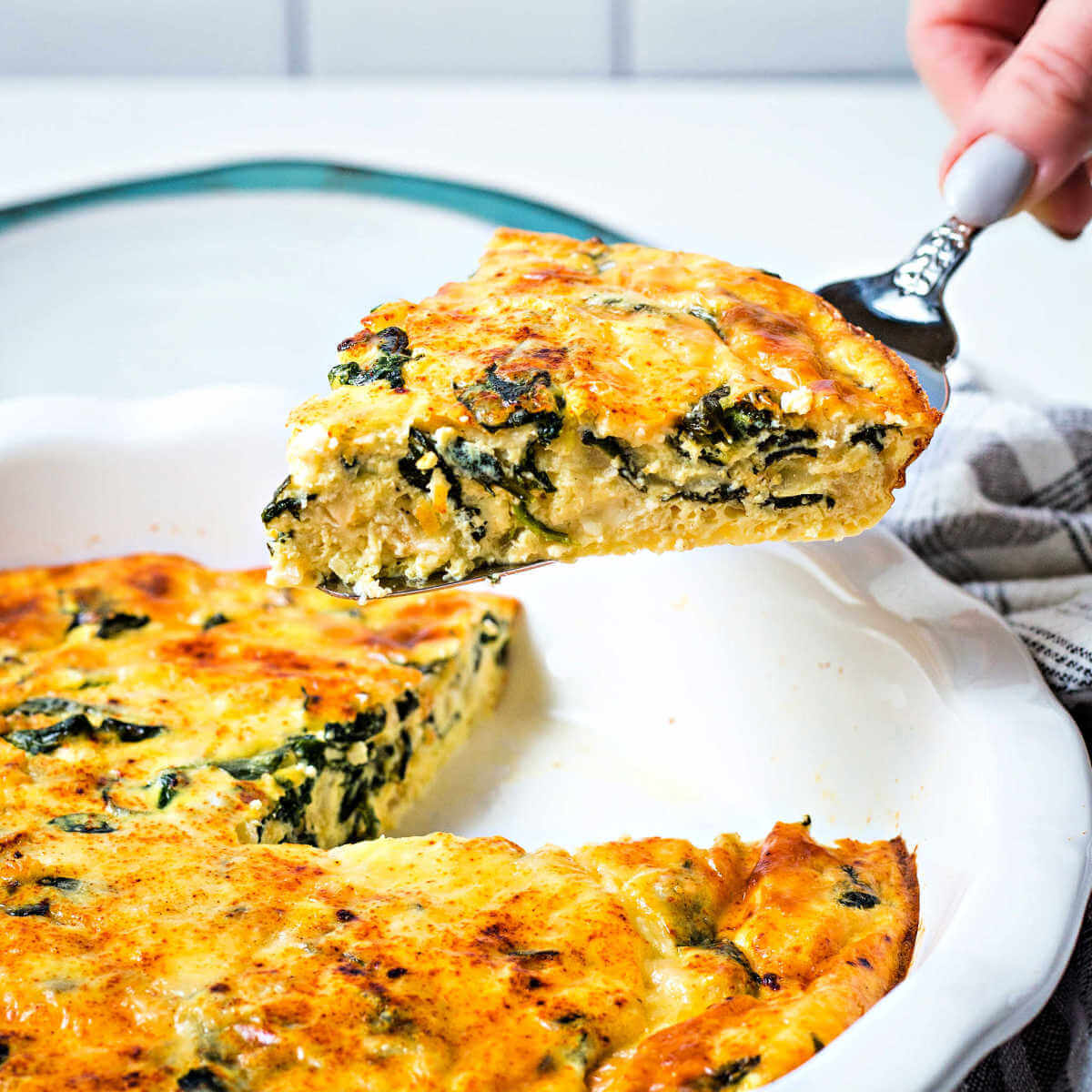
Way 4: Make Frittatas or Quiches with Assorted Leftovers
Eggs bind veggies, cheeses, and meats into frittatas, baked in a skillet for easy slicing. Use up potatoes, spinach, or ham for a protein-packed lunch that reheats like a dream.
This Italian-inspired dish is forgiving; overcooked edges crisp up nicely. Serve wedges cold or warm.
Best Tools for Frittata Prep
A non-stick skillet is key for flipping, but an oven-safe one simplifies baking. Pair with a food processor for quick veggie chopping if batches are big.
Way 5: Whip Up Stir-Fries from Proteins and Veggies
High-heat stir-fries revive proteins like beef or tofu with garlic and soy, tossed with any lingering veggies over rice. It’s fast—under 10 minutes—and infuses new life into tired ingredients.
The wok’s magic lies in its speed, preventing sogginess. Customize with pantry staples for variety.
Humor alert: My first attempt charred the edges, but it tasted like street food—lesson learned, now it’s a staple.
Way 6: Assemble Salads with Cold Cuts or Grains
Cold salads layer chopped meats, grains, and greens with vinaigrette for a refreshing twist. Leftover quinoa with turkey and feta becomes Mediterranean-inspired in seconds.
No cooking needed, ideal for hot days. Dress just before eating to avoid wilting.
I once salvaged a holiday turkey into a harvest salad—nuts and cranberries made it festive all over again.
Comparison: Salads vs. Wraps for Leftovers
| Aspect | Salads | Wraps |
|---|---|---|
| Prep Time | 5 mins | 10 mins |
| Portability | Good in jars | Excellent |
| Customization | High (endless add-ins) | Medium (limited by wrap size) |
| Calories | Lower base | Can add carbs |
Salads win for lightness, wraps for heartiness—choose based on hunger levels.
Way 7: Bake Flatbreads or Pizzas with Toppings
Stretch dough or flatbreads with sauce, cheese, and chopped leftovers like sausage or veggies for mini pizzas. Bake briefly for a crispy, elevated lunch.
This method crisps up soft remnants, turning them gourmet. Use naan for convenience.
Family game night: Topped flatbreads with pepperoni scraps—kids devoured them, zero waste.
Way 8: Craft Quesadillas or Tacos from Shredded Meats
Fold tortillas with cheese and fillings like carnitas or beans, griddled until golden. Salsa and avocado finish the portable taco transformation.
Cheese melts bind it all, masking any dryness. Kid-friendly and scalable.
Pro tip: Freeze extras for future lunches—defrost and grill fresh.
Essential Kitchen Tools for Repurposing Leftovers
Gadgets streamline the process: A garlic press minces flavors quickly, while glass containers keep food visible and fresh. Rice cookers ensure perfect grains for bases, and strainers handle veggie prep effortlessly.
These tools aren’t single-use luxuries; they pay off in saved time. My mini chopper turned veggie odds into uniform pieces—game-changer for salads.
- Food Processor: Chops bulk items fast.
- Airtight Containers: Preserve freshness.
- Microwave-Safe Lids: Prevent splatters.
Invest in durable ones for long-term wins.
Pros and Cons of Turning Leftovers into Lunch
Embracing leftovers boosts efficiency but has trade-offs. Pros include cost savings and less waste; cons involve texture changes or safety risks if not handled right.
Pros:
- Reduces food waste and grocery bills.
- Saves cooking time midweek.
- Flavors often intensify positively.
Cons:
- Some foods lose appeal when reheated.
- Risk of spoilage if stored improperly.
- Potential for monotony without creativity.
Mitigate cons with variety and proper storage—refrigerate promptly and reheat to 165°F.
People Also Ask (PAA) About Leftovers for Lunch
Common queries highlight safety and etiquette, drawn from everyday concerns like storage and sharing.
How Long Do Leftovers Last in the Fridge?
Most leftovers stay safe for 3-4 days when cooled quickly and stored below 40°F. Soups and stews might go longer, but check for off smells or sliminess before eating.
Label containers with dates to track freshness—prevents guesswork.
Is It Safe to Reheat Leftovers Multiple Times?
Reheat only once to minimize bacterial growth; aim for 165°F internal temp each time. Microwaves work, but stir for even heating.
Avoid if it’s been sitting out—better safe than sorry.
What Are Creative Ways to Use Leftover Rice?
Fried rice with eggs, veggies, and soy sauce revives it perfectly. Or blend into porridge for a savory twist.
Add proteins for substance—turns simple into satisfying.
Can You Freeze Leftovers for Later Lunches?
Yes, portion into airtight bags or containers; most freeze well for 2-3 months. Thaw in fridge overnight.
Soups and casseroles excel here—convenience without compromise.
FAQ: Turning Leftovers into Lunch
How Do I Avoid Food Waste with Leftovers?
Plan meals with repurposing in mind, like extra rice for stir-fries. Store promptly and use within days.
What’s the Best Way to Reheat Leftovers?
Use microwave or oven to 165°F; add moisture like broth for stews. Steam veggies to retain crispness.
Are There Tools for Easy Leftover Storage?
Glass containers with lids are ideal—stackable and see-through. For where to get them, check Amazon’s kitchen storage section.
Can Leftovers Be Healthy Lunch Options?
Absolutely; balance with fresh greens. Boost nutrition by adding nuts or seeds.
How to Make Leftovers Taste New?
Incorporate new spices or sauces. For recipes, explore EatingWell’s leftover ideas.
These genius ways prove leftovers aren’t second-best—they’re a canvas for creativity. Next time you cook, double up and experiment; your wallet, fridge, and taste buds will thank you. (Word count: 2,812)