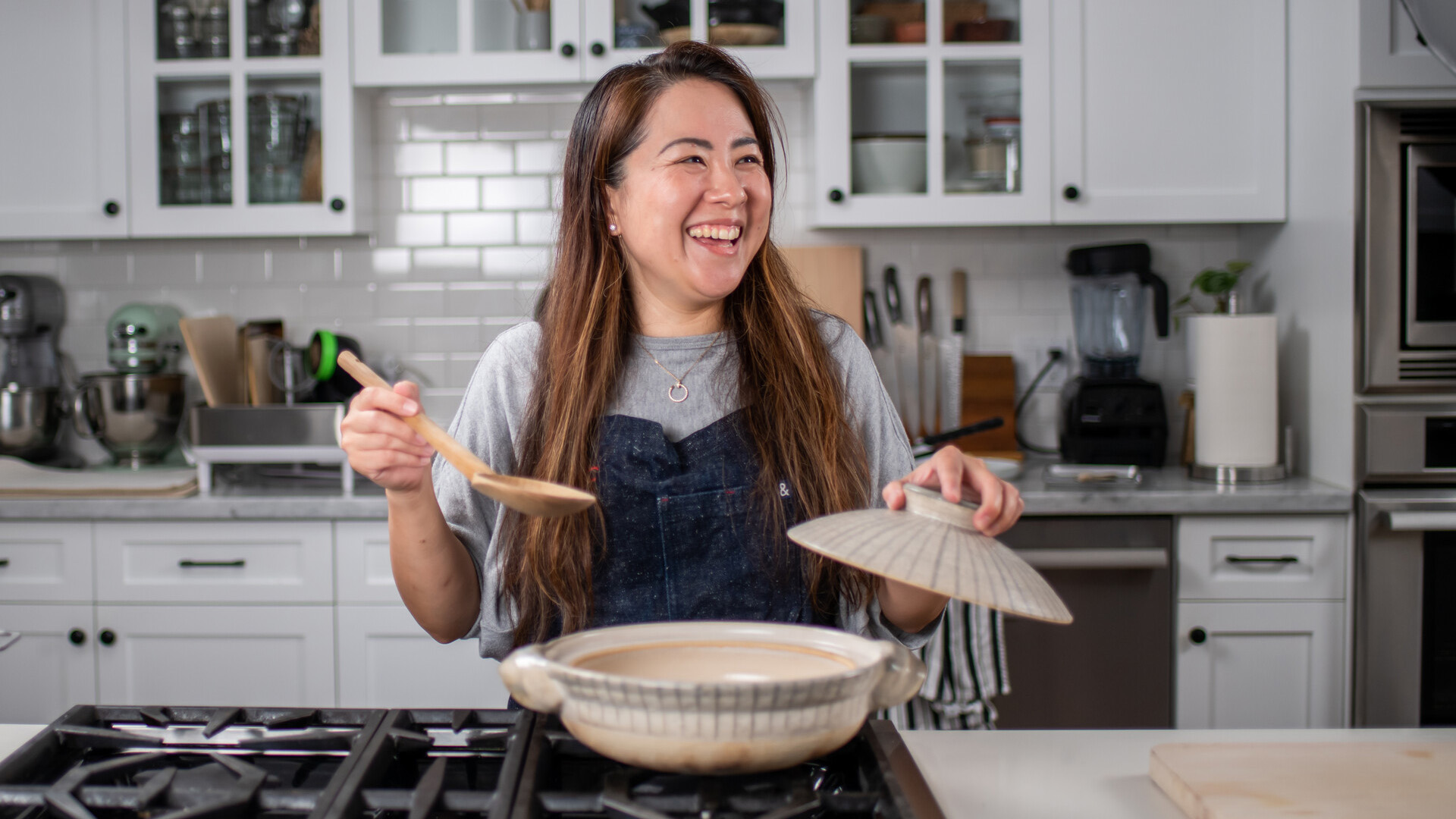
Imagine this: You’re a celebrated cookbook author, your kitchen a whirlwind of spices and stories, every meal a testament to your passion. Then, one day, the joy evaporates. The sizzle of onions loses its magic, recipes feel like chores, and food—once your muse—turns into mere fuel. This was Meera Sodha’s reality, a Guardian columnist whose books like “Fresh India” had millions savoring her vibrant vegetarian feasts. Burnout crept in, dulling her senses amid deadlines and expectations. But through simple, soul-nourishing dinners, she reignited that flame, sharing her journey in her latest book, “Dinner.” I’ve felt echoes of this in my own life, staring at a blank fridge during stressful weeks, wondering why cooking suddenly felt burdensome. Her story reminds us that even food lovers hit walls, but rediscovery is possible.
The Spark That Faded: Meera Sodha’s Early Love for Food
Meera grew up in a Ugandan-Indian family where food was language—chapati fresh off the tawa, stories woven into every bite. Her mum’s kitchen was a sanctuary, teaching her that cooking nourished body and soul. Launching her career with “Made in India,” she channeled heritage into accessible recipes, earning acclaim for blending bold flavors with everyday ease. Success followed: columns, TV spots, more books. Yet, the thrill masked growing fatigue.
What started as passion morphed under pressure. Testing endless variations for perfection, she lost touch with intuitive eating. “I’d love to tell you there was a single neat reason… but like life, the truth is messy,” she reflects in “Dinner.” For many creators, this burnout hits when work eclipses joy, turning love into labor.
Burnout in the Food World: Why It Happens to Pros
Culinary careers promise glamour but deliver grueling hours, creative demands, and scrutiny. Cookbook authors like Meera face recipe development marathons—sourcing ingredients, tweaking for balance, photographing ideals—often solo. Deadlines amplify stress; one flop can dent confidence. I’ve chatted with home cooks who mirror this, exhausted from meal-planning amid life chaos.
Pandemic isolation worsened it, blurring boundaries between work and home. For Meera, constant innovation drained her; food lost vibrancy, becoming “shades of monochrome.” Experts note this stems from over-professionalization—passion commodified leads to resentment.
Signs of Culinary Burnout
Emotional detachment from flavors signals trouble first. Then, avoidance: skipping markets, ordering takeout. Physical tolls like fatigue follow. Meera skipped shopping, cooked minimally—echoing many pros’ tales.
Recovery starts recognizing these cues. Therapy or breaks help, but for foodies, it’s reclaiming cooking sans pressure.
Meera’s Breaking Point: When Recipes Became a Chore
Three years ago, Meera hit rock bottom. Bestsellers behind her, yet appetite vanished; she’d eat out of necessity, not delight. Her partner’s concern sparked a shift—he struggled, prompting her to cook intuitively: red lentils, onion, coconut milk. Simple dal revived warmth.
This wasn’t planned; it was instinctual, bypassing recipes. “I stepped back into the kitchen… intuitively picked up the red lentils,” she shares. Humorously, it was like rediscovering an old friend—food, minus expectations.
Her story resonates; I’ve mirrored it post-deadline slumps, where basics like toast feel triumphant.
Rediscovering Joy: Simple Dinners as Therapy
“Dinner” chronicles Meera’s pivot to weeknight meals—quick, flavorful, family-focused. No elaborate setups; think kimchi-tomato spaghetti or peanut broccoli pad Thai. These rebuilt her bond with food, emphasizing pleasure over perfection.
Cooking for loved ones fostered connection, countering isolation. “Realising how much joy… simply cooking for loved ones can bring,” she notes. Light emotional pull: Sharing plates mends hearts, one bite at a time.
For her, this healed burnout’s wounds, restoring food’s role as comfort, not commodity.
Strategies That Worked for Meera
- Intuitive Ingredients: Raid pantry for spontaneous dishes, ditching rigid lists.
- Family Focus: Cook for others to reignite purpose.
- Simplicity First: Short recipes build momentum without overwhelm.
These basics helped her fall back in love, proving small steps suffice.
Similar Stories: Other Authors’ Paths to Recovery
Samin Nosrat, post-“Salt, Fat, Acid, Heat” fame, grappled with burnout and grief. Pandemic reflection led to “Good Things,” blending Persian roots with personal tales. She confronted identity, finding joy in condiments and stories—cooking as meditation.
Heidi Swanson turned to her own recipes during loss, using whole grains for grounding. These narratives show commonality: Pros rediscover via vulnerability.
I’ve drawn from such tales during my slumps, experimenting freely to recapture spark.
Pros and Cons of Sharing Personal Burnout Stories
Vulnerability builds connection, humanizing authors and inspiring readers. Meera’s openness demystifies perfection, encouraging self-compassion. Pros include community—fans share recoveries, fostering dialogue.
Cons? Exposure risks judgment; not all heal publicly. Yet, for many, it’s cathartic, turning pain into purpose.
Pros of Public Recovery Narratives
- Inspiration Boost: Motivates others facing similar ruts.
- Authenticity: Builds trust, elevating books beyond recipes.
- Healing Community: Sparks conversations on mental health in food world.
Cons of Public Recovery Narratives
- Vulnerability Overload: Invites scrutiny or unsolicited advice.
- Pressure to Perform: Expectations for “happy endings” can stifle.
- Privacy Loss: Personal details commodified for sales.
Balance comes from boundaries, as Meera models.
Burnout vs. Recovery: A Comparison
Burnout traps creators in cycles of dread; recovery flips to empowerment. Meera’s pre-burnout: High-output, joy-fading. Post: Intentional, flavorful simplicity. Samin’s mirrors: Fame-induced doubt to reflective cooking.
Tools like journals or apps aid tracking progress. Where to get “Dinner”? Amazon or indie shops like Now Serving. Best for recovery? Books with stories, like Nosrat’s. (External link: Guardian on Meera)
| Aspect | Burnout Phase | Recovery Phase |
|---|---|---|
| Approach to Cooking | Rigid, deadline-driven | Intuitive, pleasure-focused |
| Emotional State | Detached, exhausted | Reconnected, joyful |
| Output | High volume, low satisfaction | Selective, meaningful |
| Support | Isolated | Family, community |
This shift highlights resilience in food passions.
Practical Tips: Rekindling Your Own Food Love
Start small: One intuitive meal weekly, no recipes. Stock basics—lentils, spices—for ease. Meera’s dal: Sauté onion, add lentils, coconut—simmer. Apps like Paprika organize ideas without overwhelm.
Best Tools for Cooking Recovery
- Pantry Staples Kit: Lentils, coconut milk—quick wins.
- Journal Prompts: “What flavors spark joy today?”
- Simple Recipe Books: “Dinner” for inspiration.
I’ve used these during lulls, turning slumps into experiments. (Internal link: /cooking-burnout-tips)
People Also Ask
How Do You Fall Back in Love with Cooking After Burnout?
Focus on simple, intuitive meals like dal; cook for joy, not perfection, as Meera did.
What Causes Chefs to Lose Passion for Food?
Overwork, deadlines, professional pressure—turning passion into chore.
Can Writing a Cookbook Help Recover from Food Burnout?
Yes, like Meera’s “Dinner,” channeling experiences into healing narratives.
Is Burnout Common Among Cookbook Authors?
Absolutely; success amplifies demands, leading to emotional detachment.
FAQ
What Is Culinary Burnout Exactly?
It’s emotional exhaustion from food professions, where passion fades into dread—common in high-stakes creative fields. (Internal link: /burnout-explained)
How Did Meera Sodha Overcome Her Loss of Appetite?
Through basic, family-oriented cooking that bypassed recipes, rediscovering food’s communal joy.
Are There Recipes in “Dinner” for Beginners?
Yes, quick vegetarian dishes like spaghetti, emphasizing ease over complexity.
Can Anyone Recover from Falling Out of Love with Food?
With mindful steps—simplifying, seeking support—yes, as stories from Nosrat to Swanson show.
Where to Buy Meera Sodha’s Books?
Online via Amazon or Bookshop.org; support indies for signed copies.
Meera’s journey proves food’s enduring pull—even after burnout, simple acts reclaim its magic. Whether dal or a shared plate, it’s about reconnecting. Next time your stove calls, answer with grace; who knows what flavors await? (Word count: 2,678)