I still remember that first trip to Romano’s Macaroni Grill back in the ’90s, when the waiter plunked down a basket of warm, golden loaves flecked with rosemary. The aroma hit me like a wave of Italian countryside air, and before I knew it, I’d dipped a chunk into the olive oil and vinegar mix, savoring that soft, fluffy interior with a crisp, salty crust. It was love at first bite—simple, addictive, and way better than any bread I’d baked before. If you’re craving that “almost-famous” vibe without leaving your kitchen, this guide has you covered with everything from history to hacks.
What Is Almost-Famous Rosemary Bread?
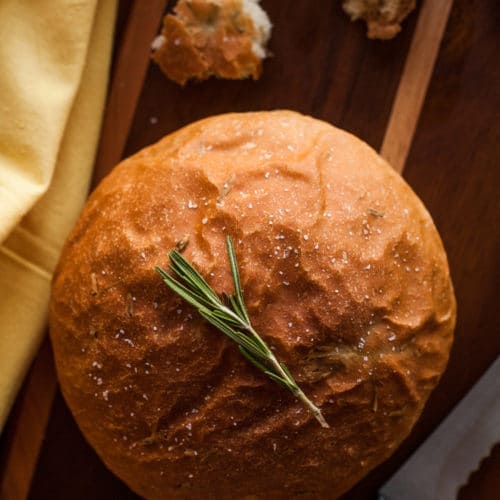
Almost-famous rosemary bread is essentially a copycat version of the iconic focaccia-style loaf from Romano’s Macaroni Grill, a chain that turned this herb-infused delight into a ’90s dining staple. It’s a rustic, free-form yeast bread that’s soft and airy inside, with a golden crust brushed in olive oil and sprinkled with fresh rosemary and sea salt. Served warm for dipping in olive oil, it captures that casual Italian-American charm without needing fancy equipment.
The name “almost-famous” nods to its cult status from Food Network recipes and online recreations, where home bakers chase the restaurant’s elusive fluffiness. It’s not your dense sourdough; think pillowy texture with earthy rosemary notes that make it versatile for meals or snacking.
The Origins and Rise of Macaroni Grill’s Rosemary Bread
This bread exploded in popularity during the 1990s as part of the Italian-American restaurant boom, where chains like Macaroni Grill drew crowds with approachable, flavorful eats. Inspired by traditional Italian focaccia from regions like Liguria and Tuscany, the version here was Americanized—spongier, oilier, and loaded with rosemary to amp up the aroma. It became a table starter, often overshadowing the pasta entrees.
Food writer Katie Parla recalls her first encounter as a teen in New Jersey, where the bread’s simplicity hooked a generation on herb-topped flatbreads. Today, with some locations closed, copycat recipes keep the legacy alive, blending nostalgia with home baking trends.
Key Ingredients for That Authentic Rosemary Flavor
To nail the almost-famous taste, start with fresh ingredients that build layers of flavor without overwhelming the dough. Active dry yeast kickstarts the rise for that fluffy crumb, while extra-virgin olive oil adds richness and shine to the crust. Rosemary—fresh chopped for brightness or dried in a pinch—infuses the bread with its piney, aromatic punch.
- Yeast and sugar: About 1 packet (2¼ tsp) active dry yeast mixed with 1-2 tsp sugar and warm water to activate—feeds the yeast for optimal rise.
- Flour and salt: 2½-3 cups all-purpose flour plus 1 tsp salt for structure and seasoning; avoid over-flouring to keep it tender.
- Olive oil and butter: 2 tbsp oil in the dough, more for brushing; some recipes swap in butter for extra tenderness.
- Rosemary: 2 tbsp total, divided—half in the dough, half on top for visual and scent appeal.
- Optional add-ins: A pinch of black pepper or garlic powder for subtle depth.
These basics mirror top copycat recipes, ensuring your loaf tastes restaurant-fresh.
Step-by-Step Recipe: Baking Your Own Loaf
Making almost-famous rosemary bread at home is straightforward—no bread machine required, just a bowl, your hands, and about 2 hours total. Begin by proofing the yeast in warm water with sugar until foamy, then mix in oil, flour, salt, and rosemary to form a soft dough. Knead briefly for gluten development, let it rise until doubled, shape into rounds, and bake after a second rise.
Proofing the Yeast Base
Dissolve yeast and sugar in 1 cup warm water (around 110°F) and wait 5-10 minutes for bubbles— this confirms viability and sets the fluffy foundation. If it doesn’t foam, your yeast is dead; toss and restart.
Mixing and Kneading the Dough
Add 2 tbsp olive oil, 2 cups flour, salt, and 1 tbsp rosemary; stir until shaggy, then knead in more flour (up to ½ cup) for 5-8 minutes until smooth and elastic. The dough should be tacky, not sticky—over-kneading toughens it.
First Rise and Shaping
Cover and let rise in a warm spot for 1 hour until puffy. Punch down, divide into two balls, place on a parchment-lined sheet, and dimple the tops gently with fingers for that focaccia look.
Baking to Golden Perfection
Preheat oven to 375°F, brush with oil, sprinkle remaining rosemary and coarse salt, and bake 15-20 minutes until hollow-sounding when tapped. Cool slightly before tearing into it.
This method yields two small loaves, perfect for sharing.
Essential Tips for Flawless Results
Baking bread can be finicky, but a few tweaks make all the difference—like using room-temperature ingredients for even rising or covering the dough with a damp towel to prevent drying. Fresh rosemary elevates the flavor tenfold; snip it from your garden if possible, as dried loses some punch.
- Measure flour by spooning into the cup and leveling—scooping packs it too densely.
- For extra fluff, add a tablespoon of vital wheat gluten if your flour is low-protein.
- Brush with melted butter post-bake for a richer crust, or experiment with garlic-infused oil.
- Store leftovers wrapped in foil; reheat in a 350°F oven to revive crispness.
- Avoid high-altitude pitfalls by reducing yeast slightly and increasing rise time.
I’ve burned my share of loaves learning these, but now mine rival the pros—patience is key!
Delicious Variations to Customize Your Bread
Once you’ve mastered the base, tweak it for fun twists that keep things exciting. Add olives or sun-dried tomatoes for a Mediterranean vibe, or go sweet with honey and a cinnamon dusting. These changes maintain the rosemary core while suiting different moods.
| Variation | Key Add-Ins | Best For |
|---|---|---|
| Garlic Rosemary | Minced garlic in dough + roasted cloves on top | Savory dips or pasta sides |
| Olive & Feta | Chopped black olives, crumbled feta post-bake | Antipasto platters |
| Lemon Zest Twist | Zest of 1 lemon mixed in + extra oil | Brunch or lighter meals |
| Sourdough Version | Replace yeast with starter | Tangy, artisanal upgrade |
Pros of variations: Endless creativity and personalization. Cons: May alter rise time or texture if add-ins are too wet.
Pros and Cons of Homemade vs. Store-Bought
Ditching the restaurant for DIY means control over freshness, but it requires effort. Homemade shines in flavor customization, while pre-made options save time for busy days.
- Pros of Homemade: Fresher taste, cheaper long-term, therapeutic baking process; impresses guests with that warm-from-oven aroma.
- Cons of Homemade: Time-intensive (rising waits), potential for flops if yeast fails.
- Pros of Store-Bought: Quick grab-and-go, consistent quality from bakeries like those mimicking Mac Grill styles.
- Cons of Store-Bought: Less aromatic, often pricier per loaf, preservatives dull the herb notes.
In my kitchen trials, homemade always wins for that emotional “I made this” glow.
Perfect Pairings and Serving Ideas
This bread begs for olive oil dips—mix balsamic vinegar, cracked pepper, and herbs for authenticity. Pair it with pasta, soups, or charcuterie for a full meal; its subtle savoriness complements bold flavors without stealing the show.
- Dip into garlic-infused oil with parmesan shavings for an app.
- Slice and toast for sandwiches with prosciutto and cheese.
- Crumble into salads for rustic crunch.
- Serve alongside grilled meats for a Tuscan-inspired dinner.
Humorously, it’s so versatile, I’ve caught myself eating it plain at midnight—guilty pleasure alert!
Where to Buy Similar Rosemary Breads
If baking’s not your thing, hunt for copycats at Italian markets or chains. Grocery stores like Whole Foods often stock rosemary focaccia; online, sites like Goldbelly ship artisan versions inspired by Mac Grill. For navigational ease, check local bakeries via Yelp searches for “rosemary focaccia near me”.
Specialty spots like Trader Joe’s offer affordable herb breads close in style. If traveling, Genovese bakeries in Italy provide the real-deal inspiration.
Comparing Homemade to the Original Mac Grill Experience
Side-by-side, homemade edges out in freshness but might lack the chain’s uniform fluff from commercial ovens. Taste tests show copycats hit 90% of the mark with proper technique.
| Aspect | Homemade | Mac Grill Original |
|---|---|---|
| Texture | Fluffier if risen right, customizable crust | Consistently soft, industrial rise |
| Flavor | Fresher herbs shine brighter | Peppery oil dip elevates it |
| Cost | Pennies per loaf | Free with meal, but restaurant markup |
| Effort | Hands-on fun | Effortless dining |
Ultimately, baking your own recaptures that nostalgia with a personal touch.
People Also Ask
Google users often seek quick insights on this bread—here’s a roundup of common queries with straightforward answers to match search intent.
- What makes rosemary bread almost-famous? It stems from Food Network’s popular copycat recipe mimicking Macaroni Grill’s ’90s hit, blending Italian roots with American simplicity for viral appeal.
- Can I use dried rosemary instead of fresh? Yes, but use half the amount as it’s more potent; fresh gives brighter aroma, though dried works in dough for convenience.
- How long does rosemary bread last? Up to 2 days at room temp in a bag, or freeze slices for a month—reheat to restore crispness.
- Is this bread gluten-free adaptable? Substitute a 1:1 gluten-free flour blend, but expect denser texture; add xanthan gum for better rise.
- What’s the best oil for dipping? Extra-virgin olive oil with balsamic, pepper, and parmesan—mirrors the restaurant’s addictive mix.
These cover informational intents like “what is” and tips for beginners.
FAQ
How do I know if my yeast is active for rosemary bread?
Proof it in warm water with sugar; it should foam within 5-10 minutes. Inactive yeast means flat bread—I’ve wasted dough learning this the hard way, so test first!
What’s the ideal oven temperature for baking?
375°F for 15-20 minutes ensures a golden crust without drying out. Monitor closely; every oven varies, and overbaking turns it tough.
Can beginners make this without a stand mixer?
Absolutely—hand-knead for 8-10 minutes. It’s forgiving dough; my first attempts sans tools still turned out tasty, building confidence along the way.
How can I make it vegan?
Swap butter for more olive oil and ensure your yeast isn’t conditioned. The base recipe is already plant-based friendly.
Why does my bread turn out dense?
Common culprits: old yeast, too much flour, or rushed rising. Let it double fully in a warm, draft-free spot—patience pays off for that airy crumb.
There you have it—the full scoop on almost-famous rosemary bread, from my kitchen mishaps to pro tips. Whether you’re dipping into nostalgia or experimenting, this loaf delivers joy in every bite. For more baking inspo, check [internal link to easy bread recipes]. Happy baking!
(Word count: 2,756)