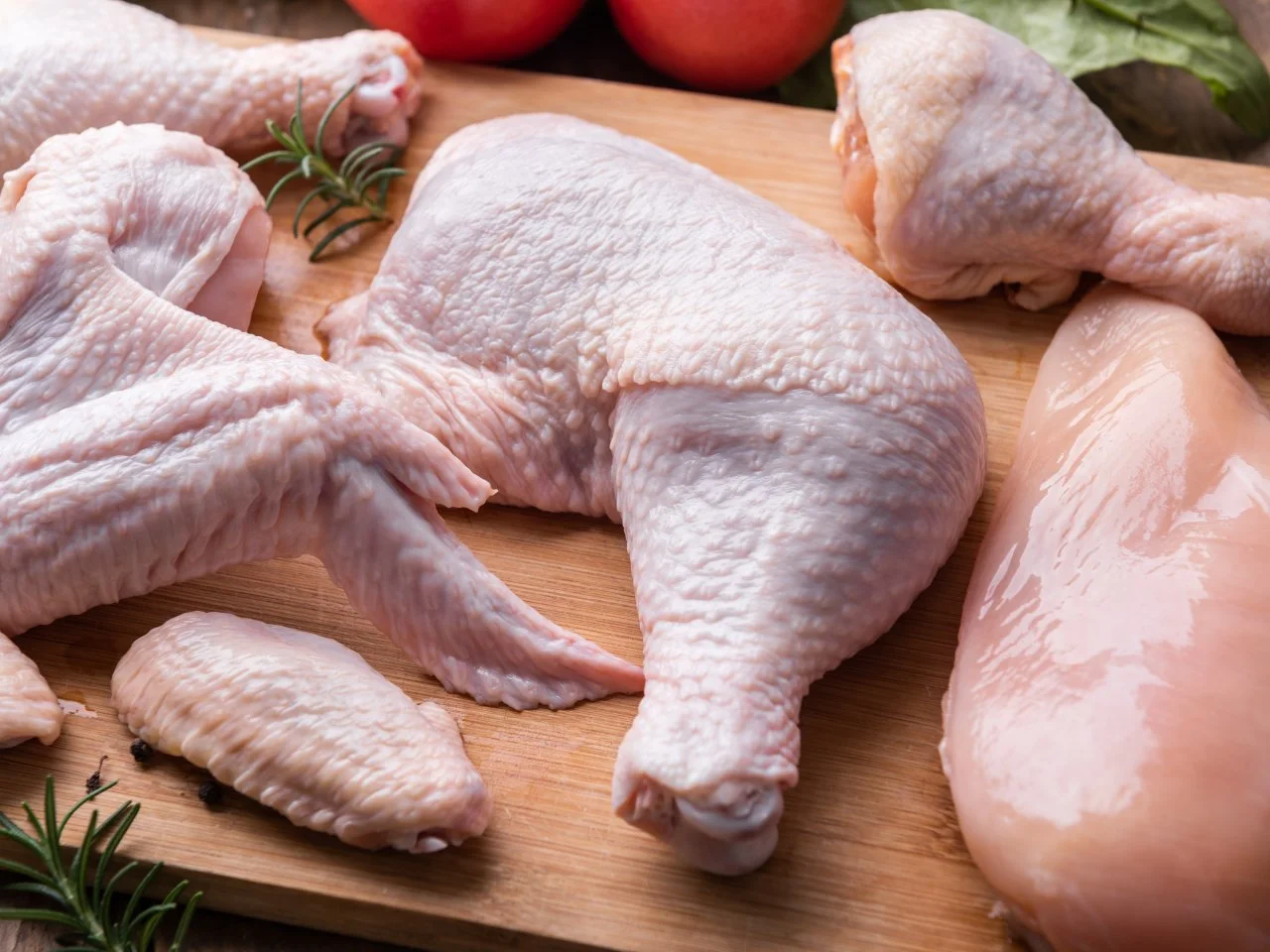
Raw chicken is a kitchen staple, versatile enough to star in everything from weeknight stir-fries to Sunday roasts. But let’s be real—nothing ruins dinner plans faster than discovering your chicken has gone bad. Knowing how long raw chicken lasts in the fridge is critical for both safety and flavor. This guide dives deep into the shelf life of raw chicken, offering practical tips, expert insights, and real-world advice to keep your kitchen safe and your meals delicious. Drawing from my own experience as a home cook who’s made the mistake of leaving chicken in the fridge a bit too long, I’ll walk you through everything you need to know to avoid food waste and keep your family healthy.
Why Proper Chicken Storage Matters
Improperly stored raw chicken can become a breeding ground for bacteria like Salmonella and Campylobacter, which can lead to serious foodborne illnesses. Understanding storage timelines and best practices isn’t just about avoiding a funky smell—it’s about protecting your health. Let’s explore how long raw chicken stays fresh and how to store it properly.
The Risks of Improper Storage
Storing raw chicken incorrectly can lead to cross-contamination or spoilage, both of which pose health risks. The USDA reports that poultry-related foodborne illnesses affect thousands annually, often due to improper handling or storage. Keeping your chicken at the right temperature and using it within its safe timeframe is non-negotiable.
How Long Does Raw Chicken Last in the Fridge?
The general rule of thumb, according to the USDA, is that raw chicken can last 1–2 days in the refrigerator at or below 40°F (4°C). This applies to whole chickens, chicken breasts, thighs, wings, or any other cut. However, several factors can affect this timeline, and knowing them can save you from tossing out perfectly good meat or, worse, eating something unsafe.
Factors That Affect Chicken Shelf Life
Several variables influence how long raw chicken stays fresh in the fridge. Understanding these can help you make smarter storage decisions.
- Temperature: Your fridge should be set at or below 40°F (4°C). A warmer fridge accelerates bacterial growth.
- Packaging: Chicken in its original packaging lasts longer than repackaged meat, as store packaging is designed to minimize air exposure.
- Purchase Date: The “sell-by” or “use-by” date on the package is a good guide, but it’s not the whole story. Always check for freshness signs.
- Type of Chicken: Whole chickens may last slightly longer than cut pieces due to less surface area exposed to air.
Each of these factors plays a role in determining whether your chicken is safe to cook or needs to be discarded.
Shelf Life by Chicken Type
Different cuts of raw chicken have slightly different storage guidelines. Here’s a quick breakdown:
| Chicken Type | Fridge Shelf Life (40°F or below) | Freezer Shelf Life (0°F or below) |
|---|---|---|
| Whole Chicken | 1–2 days | Up to 1 year |
| Chicken Breasts/Thighs | 1–2 days | Up to 9 months |
| Chicken Wings/Drumsticks | 1–2 days | Up to 9 months |
| Ground Chicken | 1–2 days | Up to 3–4 months |
| Chicken Giblets/Organs | 1–2 days | Up to 3–4 months |
This table assumes proper storage conditions. Always check for signs of spoilage before cooking.
How to Tell If Raw Chicken Has Gone Bad
I’ll never forget the time I pulled a pack of chicken breasts from the fridge, only to be hit with a smell that made me question my life choices. Spoiled chicken is unmistakable, but there are other signs to watch for to ensure you’re not cooking with bad meat.
Key Signs of Spoilage
- Smell: Fresh chicken has a mild, neutral odor. A sour, sulfur-like, or “off” smell is a clear red flag.
- Color: Fresh chicken is pinkish or pale. Gray, green, or yellowish hues indicate spoilage.
- Texture: Slimy or sticky chicken is no longer safe to eat. Fresh chicken should feel moist but not slick.
- Expiration Date: If you’re past the “use-by” date and notice any of the above signs, toss it.
If you spot any of these signs, don’t take chances—discard the chicken immediately to avoid health risks.
Can You Trust the “Sniff Test”?
The sniff test is a decent starting point, but it’s not foolproof. Some bacteria, like Salmonella, don’t always produce a noticeable odor. Always combine the sniff test with visual and tactile checks for a complete assessment.
Best Practices for Storing Raw Chicken in the Fridge
Proper storage can extend the life of your raw chicken and keep it safe. Here are some tried-and-true tips I’ve learned from years of meal prepping and a few unfortunate mishaps.
Store It Right Away
As soon as you get home from the grocery store, place raw chicken in the fridge. Don’t let it sit on the counter, as bacteria can grow rapidly at room temperature. Aim to refrigerate within 2 hours of purchase (or 1 hour if it’s above 90°F outside).
Use the Coldest Part of the Fridge
The coldest part of your fridge—usually the back of the bottom shelf—is ideal for storing raw chicken. Avoid the door, where temperatures fluctuate. Keeping chicken at a consistent 40°F or below slows bacterial growth.
Keep It Sealed
Leave chicken in its original packaging if possible, as it’s designed to reduce air exposure. If you’ve opened the package or are storing leftovers, wrap it tightly in plastic wrap or place it in an airtight container to prevent leaks and cross-contamination.
Prevent Cross-Contamination
Raw chicken juices can spread bacteria to other foods. Store chicken on the bottom shelf to prevent drips, and never place it near ready-to-eat foods like fruits or salads. I learned this the hard way after a chicken package leaked onto my lettuce—yuck!
Pros and Cons of Different Storage Methods
| Method | Pros | Cons |
|---|---|---|
| Original Packaging | Airtight, designed for freshness | May leak if damaged |
| Plastic Wrap | Flexible, easy to use | Not as secure as airtight containers |
| Airtight Container | Prevents leaks, reusable | Takes up more fridge space |
| Vacuum Sealing | Extends shelf life slightly | Requires special equipment |
Choosing the right method depends on your fridge space and how long you plan to store the chicken.
Freezing Raw Chicken: A Longer-Term Solution
If you can’t cook your raw chicken within 1–2 days, freezing is your best bet. I’ve saved countless chicken breasts from the trash by popping them in the freezer when life gets busy. Here’s how to do it right.
How to Freeze Raw Chicken
- Wrap Tightly: Use plastic wrap, aluminum foil, or freezer bags to prevent freezer burn. Double-wrapping adds extra protection.
- Portion It Out: Freeze in meal-sized portions to avoid thawing more than you need.
- Label and Date: Write the freeze date on the package to track freshness. Frozen chicken is safe indefinitely but loses quality over time.
- Use a Freezer-Safe Container: If you’re not using freezer bags, opt for airtight containers to maintain flavor and texture.
Frozen chicken can last up to a year (whole) or 9 months (cuts), but for the best taste, use it within 3–6 months.
Thawing Frozen Chicken Safely
Never thaw chicken on the counter, as this promotes bacterial growth. Instead, use one of these safe methods:
- Fridge Thawing: Place frozen chicken in the fridge for 24–48 hours. It’s slow but safe.
- Cold Water Thawing: Submerge the chicken in cold water, changing the water every 30 minutes. This takes 1–3 hours.
- Microwave Thawing: Use the defrost setting, but cook immediately after to avoid uneven heating.
Once thawed, cook the chicken within 1–2 days. Never refreeze thawed chicken unless it’s been cooked first.
Comparing Fresh vs. Frozen Chicken
| Aspect | Fresh Chicken | Frozen Chicken |
|---|---|---|
| Shelf Life | 1–2 days in fridge | Up to 1 year in freezer |
| Flavor | Optimal when fresh | May lose some flavor over time |
| Convenience | Ready to cook immediately | Requires thawing |
| Cost | Often cheaper per pound | May be more expensive if pre-frozen |
Both options have their place, depending on your cooking schedule and storage capacity.
People Also Ask (PAA) Section
Here are answers to common questions about raw chicken storage, pulled from real Google searches.
How Can You Tell If Raw Chicken Is Bad?
Look for a sour or sulfur-like smell, gray or green discoloration, or a slimy texture. If the chicken is past its “use-by” date and shows any of these signs, discard it immediately.
Can You Eat Raw Chicken That’s Been in the Fridge for 3 Days?
If stored properly at 40°F or below, raw chicken may still be safe after 3 days, but it’s risky. Check for spoilage signs, and if in doubt, throw it out to avoid foodborne illness.
Is It Safe to Freeze Chicken After 2 Days in the Fridge?
Yes, as long as it’s still fresh (no spoilage signs). Freeze it immediately to lock in quality, and use within 9–12 months for the best flavor.
How Long Can Raw Chicken Sit Out at Room Temperature?
Raw chicken should not sit out for more than 2 hours (or 1 hour if it’s above 90°F). Bacteria grow rapidly at room temperature, increasing the risk of illness.
FAQ Section
How Long Can Raw Chicken Stay in the Fridge Before Cooking?
Raw chicken can stay in the fridge for 1–2 days at 40°F or below. Always check for spoilage signs like smell, color, or texture before cooking.
Can You Store Raw Chicken in the Fridge After Thawing?
Yes, but only for 1–2 days. Thawed chicken should be cooked promptly to avoid bacterial growth. Never refreeze raw thawed chicken.
What’s the Best Way to Store Raw Chicken to Extend Its Shelf Life?
Store raw chicken in its original packaging on the bottom shelf of the fridge at 40°F or below. For longer storage, freeze it in airtight packaging.
Does Vacuum-Sealing Raw Chicken Make It Last Longer?
Vacuum-sealing can extend fridge life by a day or two by reducing air exposure. In the freezer, it significantly reduces freezer burn, preserving quality for months.
Can You Cook Chicken That’s Slightly Slimy?
No, slimy chicken is a sign of spoilage and should not be cooked or eaten. Discard it to avoid the risk of foodborne illness.
Practical Tips for Buying and Storing Chicken
When shopping for raw chicken, a little planning goes a long way. Here are some tips to ensure you’re getting the freshest meat possible:
- Check the “Sell-By” Date: Choose packages with the furthest-out date to maximize fridge time.
- Inspect the Packaging: Avoid packages with tears, leaks, or excessive liquid, as these can indicate improper handling.
- Buy in Bulk and Freeze: If you find a great deal, portion out the chicken and freeze what you won’t use within 2 days.
- Use a Cooler Bag: Keep chicken cold during transport, especially in hot weather, to maintain freshness.
For tools to help with storage, consider investing in a vacuum sealer (like the FoodSaver) for long-term freezing or airtight containers for fridge storage. These can be found at retailers like Amazon or Walmart.
The Emotional Side of Food Waste
I’ll admit, tossing out spoiled chicken feels like a punch to the gut—especially when you’re on a tight budget. I’ve been there, staring at a pack of thighs I forgot about, feeling guilty for wasting food. But food safety comes first, and proper storage habits can help you avoid that sinking feeling. By planning meals and freezing extras, you can save money and reduce waste while keeping your kitchen safe.
Where to Learn More About Food Safety
For more detailed guidelines, check out trusted resources like:
These sites offer science-backed advice on handling and storing raw chicken and other perishables.
Final Thoughts
Knowing how long raw chicken lasts in the fridge is a game-changer for any home cook. By sticking to the 1–2 day rule, storing it properly, and checking for spoilage, you can keep your meals safe and delicious. Whether you’re meal-prepping for the week or planning a big family dinner, these tips will help you avoid waste and stay confident in the kitchen. So next time you grab that pack of chicken, store it smartly—and maybe double-check the fridge temp while you’re at it!