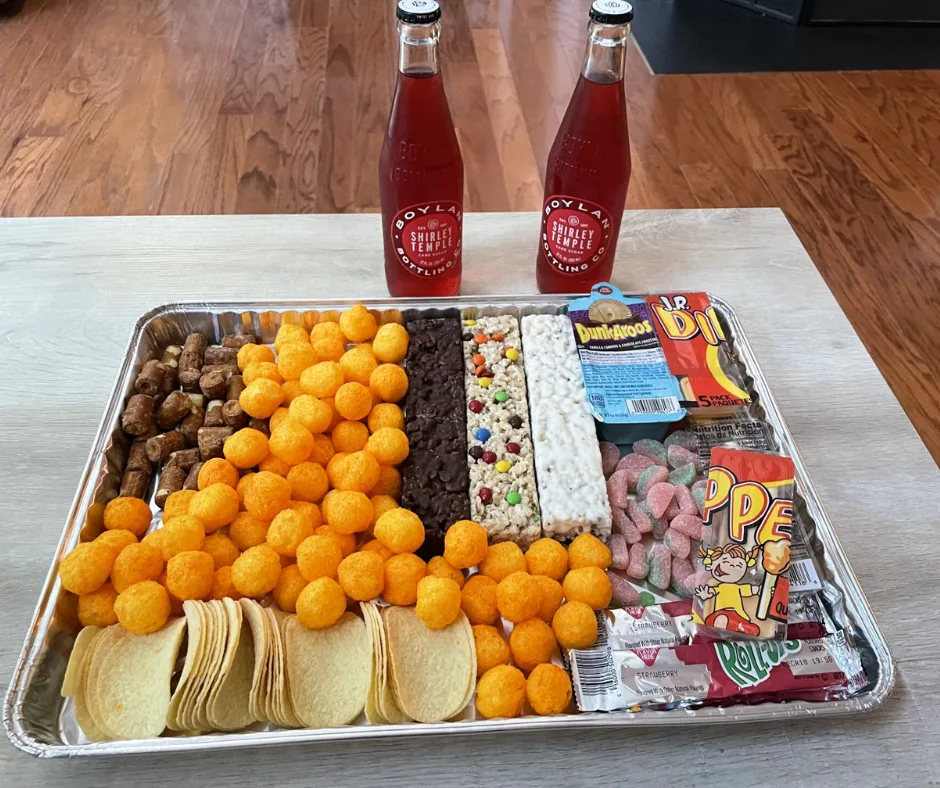
I still chuckle thinking about that rainy afternoon last fall when I dashed into the local Dollar Tree, desperate for party snacks but short on cash. My sister’s birthday bash was hours away, and I had visions of those Instagram-famous spreads—meats fanned out like peacock tails, cheeses artfully cubed, and fruits adding pops of color. But fancy delis? Not in the budget. What started as a Hail Mary turned into a revelation: you can craft a killer charcuterie board entirely from dollar store hauls. It fed a crowd of eight, sparked compliments all night, and cost me under $25. If you’re eyeing affordable appetizers that wow without the wallet hit, let’s dive into making your own.
What is a Charcuterie Board?
A charcuterie board is essentially a fancy snack platter rooted in French tradition, featuring cured meats, cheeses, crackers, and accompaniments like nuts or fruits. It’s all about balance—savory bites mingling with sweet and crunchy elements for easy grazing. These days, it’s evolved into customizable spreads for parties, game nights, or even solo indulgence, emphasizing visual appeal alongside flavor.
Over time, I’ve experimented with boards for everything from holidays to casual Fridays, learning that the key is variety without overcomplicating. No need for gourmet imports; everyday finds work wonders.
Why Choose Dollar Store Ingredients?
Dollar stores like Dollar Tree or 99 Cent Only Stores stock surprising gems—crackers, nuts, even some refrigerated meats and cheeses—that slash costs while keeping quality decent. It’s a smart hack for budget-conscious hosts, turning potential party flops into hits. Plus, the thrill of scavenging adds a fun, treasure-hunt vibe to prep.
In my experience, these spots shine for non-perishables and basics, letting you allocate pennies elsewhere like fresh fruit from a nearby grocer if needed. It’s empowering, especially during tight months, proving good eats don’t require deep pockets.
Building Your Essential Shopping List
Start by listing core categories: board, meats, cheeses, crackers, condiments, nuts, and fillers. Aim for items serving 6-8 as appetizers—about 2-3 oz meat and cheese per person total. Dollar stores vary by location, so scout refrigerated sections for fresh-ish picks.
Here’s a sample shopping table for a classic board under $20:
| Category | Dollar Store Finds | Approx. Cost | Notes |
|---|---|---|---|
| Serving Board | Wooden plank or plastic tray | $1-7 | Rustic look without splurging. |
| Meats | Salami slices, turkey pepperoni, summer sausage | $1.25-3.25 | Pre-sliced for ease. |
| Cheeses | Cheddar block, pepper jack, mozzarella sticks | $1.25 each | Cube or slice at home. |
| Crackers | Water crackers, veggie crisps, entertainment assortment | $1.25/pack | Mix textures. |
| Condiments | Mustards (spicy brown, honey), jams | $1.25/jar | Small jars go far. |
| Nuts & Fillers | Mixed nuts, olives, plantain chips | $1.25 each | Add crunch and brine. |
This setup covers basics; tweak for dietary needs. I once swapped jerky for Slim Jims when pepperoni was out—still a win.
Selecting the Board and Serving Ware
Your board is the canvas, so pick something sturdy and food-safe like a wooden cutting board or heavy plastic platter from the dollar store’s kitchen aisle. Sizes vary, but a 12-16 inch round or rectangular works for crowds.
These affordable options mimic pricier slate or marble without the fragility. Pair with dip bowls, skewers, and mini forks—often $1.25 packs—to keep things tidy and stylish.
One time, I used a leaf-shaped bowl for a fall theme; it elevated the whole vibe for pennies.
Pros and Cons of Dollar Store Boards
- Pros: Super cheap, lightweight for transport, disposable if needed.
- Cons: May lack premium finish; wash thoroughly to avoid stains.
Compared to grocery store bamboo boards ($10+), dollar versions save cash but might need lining with parchment for mess-free use.
Sourcing Meats and Cheeses Affordably
Focus on cured or pre-sliced meats like salami rounds or pepperoni from the fridge case—$2-3 for enough to serve multiple. Cheeses? Go for blocks of cheddar or pepper jack to slice yourself; soft varieties like brie are rarer, so supplement if possible.
Dollar stores carry name-brand leftovers at discounts, ensuring decent taste. For freshness, buy day-of and store cold until assembly.
I’ve pulled off “gourmet” illusions with these; guests never guessed the origin.
Meat and Cheese Comparison
| Type | Dollar Store Option | Grocery Alternative | Cost Savings |
|---|---|---|---|
| Meat | Turkey pepperoni (5 oz) | Prosciutto (4 oz) | 50-70% less |
| Cheese | Cheddar block (4 oz) | Artisan wedge | Up to 80% |
This keeps your board balanced—two hard cheeses, one softer if available.
Crackers, Nuts, and Accompaniments
Crackers form the base; stock up on water, veggie, or bruschetta varieties for neutral crunch. Nuts like spiced mixes or party blends add protein and texture, while olives or pickles bring tang.
These shelves are dollar store goldmines—endless options for $1.25 each. I love tossing in plantain chips for a twist; they disappear fast.
Layer them strategically to fill gaps, enhancing both flavor and fullness.
Incorporating Fruits and Veggies
Fresh produce is hit-or-miss, but look for apples, grapes, or dried fruits like cranberries in the produce or snack aisles. Slice pears or apples for natural sweetness contrasting salty meats.
If unavailable, dried pineapple or raisins step in seamlessly. For veggies, carrot sticks or peppers add color if your store stocks them.
In my fall board experiment, dried cranberries paired perfectly with nuts—budget-friendly and seasonal.
Fun Themed Variations
Themed boards amp up engagement; dollar stores excel here with holiday trays and snacks.
- Fall Harvest: Pears, pepitas, ginger snaps, candy corn mix—sweet-salty bliss.
- Halloween Spooky: Pretzels as “bones,” cheese “witches,” Voodoo chips for heat.
- Shark Week (Sharkuterie): Goldfish crackers, Swedish fish, tuna for “seafood.”
- Nostalgic 80s: Pringles, cheese balls, Fruit Roll-Ups for retro fun.
These keep things fresh; I did a Valentine’s one with heart trays—adorable and cheap.
Step-by-Step Assembly Guide
Prep an hour ahead so cheeses soften. Start with anchors: place cheeses in triangles around the board.
- Fold meats into ruffles or roses—stack salami and fan out.
- Add crackers in piles for easy grabbing.
- Dot condiments in small bowls; spoon mustards nearby.
- Fill voids with nuts, fruits, and olives for height and color.
- Garnish with herbs if handy, or skip for simplicity.
This method ensures flow; my first try looked pro after practicing folds.
Presentation Tips and Tricks
Pack tight for abundance illusion—overlap items without crowding. Vary heights with bowls or rolled meats; colors matter, so cluster reds (salami) with greens (olives).
Light humor: If it wobbles, call it “rustic charm.” Serve at room temp for peak flavor; cover loosely if prepping early.
For transactions, best tools include dollar store skewers over fingers—hygiene win.
People Also Ask
How many ounces of cheese per person for a charcuterie board?
Aim for 2-3 oz total cheese per person as an appetizer, mixing hard and soft for variety. This guideline keeps portions satisfying without waste. Scale up if it’s the main meal.
What meats are best for beginners on a charcuterie board?
Start with easy-to-find salami, prosciutto, or summer sausage—cured options that slice thin and pair universally. Avoid overly fatty cuts if new to assembly.
How do you arrange a charcuterie board for visual appeal?
Anchor with cheeses, then layer meats in folds, crackers in stacks, and fillers in gaps. Balance colors and textures for that Instagram shot.
Can charcuterie boards be made vegetarian?
Absolutely—swap meats for extra cheeses, veggies, hummus, and nuts. Dollar stores offer plenty like olives and dips for meat-free magic.
FAQ
Where to get the best dollar store items for charcuterie?
Head to Dollar Tree’s snack and fridge aisles for crackers, nuts, and basics. For more produce, try 99 Cent Only Stores—check locally for stock. Online Dollar Tree (External link: Dollar Tree website) previews options.
What’s the cheapest way to make a large charcuterie board?
Stick to 10-12 items total, focusing on versatile packs like mixed nuts and assorted crackers. Total under $20 serves 6-8; buy multiples for refills.
How to store leftovers from a dollar store charcuterie board?
Wrap tightly in plastic or containers; meats and cheeses last 3-5 days in the fridge. Revive crackers by airing out to crisp.
Are dollar store meats safe for charcuterie?
Yes, if refrigerated properly and consumed soon—check dates. They’re often name-brand discards, but inspect for quality like any budget buy.
Can I DIY a vegan dollar store charcuterie?
Sure—use fruits, nuts, veggie chips, jams, and olive packs. Add Dollar Tree hummus if available for creaminess.
Wrapping up, crafting a dollar store charcuterie board isn’t just thrifty—it’s creative therapy that brings people together. Next time you’re hosting, grab those bins and build something memorable. Your guests will rave, and you’ll pat yourself on the back for the savvy save. Experiment, enjoy, and share your twists!
(Word count: 2,756)