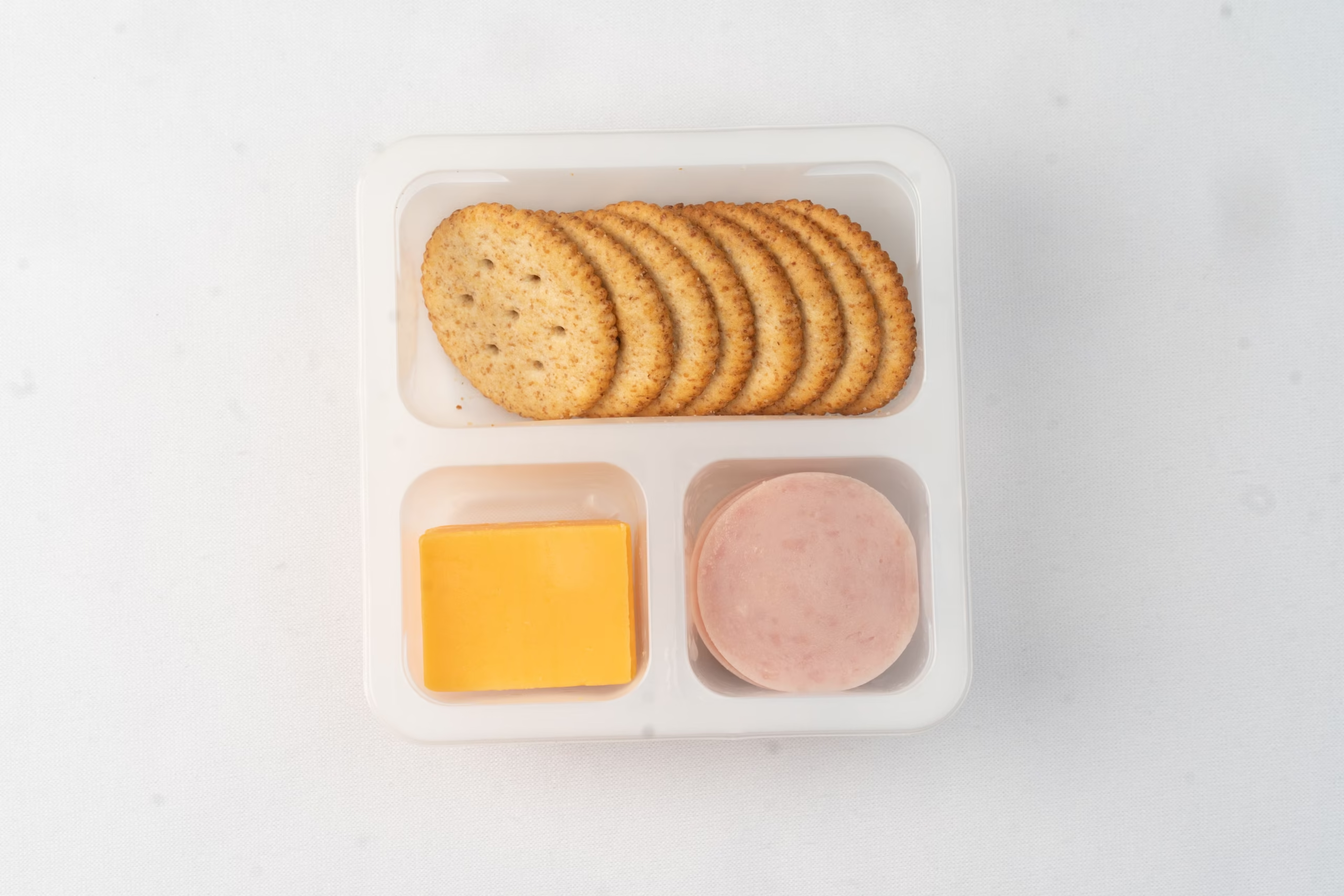
Remember peeling open that shiny red tray as a kid, stacking crackers with mystery meat and cheese that somehow tasted like victory? Lunchables hit the scene in the late ’80s, turning lunchtime into a DIY adventure for busy parents and picky eaters alike. Fast-forward to today, and Kraft Heinz is tweaking these nostalgic kits—adding whole grains, cutting sodium in crackers by 26%, and even tossing in fresh fruit options—to make them less of a guilt trip. But with reports of high sodium, trace heavy metals, and ultra-processed vibes still lingering, are these changes enough to call Lunchables truly healthier? I’ve packed a few for my own family on rushed days, feeling that mix of convenience and concern, so let’s unpack the real story behind the reformulations.
The Evolution of Lunchables: From Junk Food Icon to Reformulated Favorite
Lunchables started as a clever way for Oscar Mayer to offload more bologna, evolving into a $1.3 billion powerhouse with varieties from pizza to nuggets. Kraft Heinz has responded to health scrutiny by reformulating products, like boosting protein and whole grains for school versions to meet USDA standards. These tweaks aim to align with Dietary Guidelines, but experts note they’re minimal—enough to qualify for programs without overhauling the core ultra-processed nature. I recall my childhood versions packed with sodium; today’s promise steadier energy without the crash, though real veggies remain scarce.
The push comes amid broader industry shifts, with parents demanding better amid rising obesity concerns. Yet, as Kraft Heinz pulls school kits due to low demand, questions linger on whether retail updates truly elevate nutrition or just greenwash the tray.
Nutritional Breakdown: What’s Improved and What Still Falls Short
Recent changes include reduced saturated fat and sodium in select items, with some kits now boasting more protein from added meats. For instance, school-bound Turkey & Cheddar Stackers got whole-grain crackers and extra protein, hitting NSLP benchmarks for grains and alternatives. A standard kit might now offer 13-19g protein, under 400 calories, but carbs dominate from refined sources.
Key Nutrient Wins in Reformulated Kits
Higher protein helps satiety, potentially curbing overeating. Whole grains add fiber traces, aiding digestion over plain crackers.
These updates respond to calls for better school fuel, but daily intake still skews high-sodium.
Persistent Red Flags: Sodium and Processing
Kits pack 460-740mg sodium—up to half a child’s daily limit—linked to hypertension risks. Processed meats raise cancer concerns per WHO. School versions sometimes hike sodium further for portion tweaks.
Ultra-processing encourages overconsumption, hitting pleasure centers without nutrient density. Humorously, it’s like a fun trap—tasty, but your body pays later.
Health Concerns: Heavy Metals, Phthalates, and Beyond
Consumer Reports flagged lead in nearly all tested kits, with Lunchables topping at 74% of California’s strict MADL—tiny amounts (0.37 micrograms), but cumulative exposure worries experts for kids’ development. Cadmium and phthalates (plastic chemicals tied to reproductive issues) appeared too, though below federal limits.
Why Trace Contaminants Matter
These occur naturally or via processing, but no safe lead level exists for children. Phthalates leach from packaging, amplifying everyday exposure. Kraft insists products meet safety standards, occurring environmentally.
For occasional eats, risks are low—like needing 82 million kits for lethal lead. But regular use? Opt for fresher swaps to minimize.
Broader Impacts on Kids’ Health
High sodium from young ages boosts hypertension by 40%. Processed foods link to obesity, heart issues; missing fruits/veggies starves fiber needs. My take: They’re a rare treat, not staple—I’ve seen energy dips post-packing them often.
Kraft Heinz’s Response: Reformulations and School Pullback
Kraft Heinz defends safety, noting no added metals and ongoing cuts to sodium/sugar/fat. They introduced fruit-inclusive kits and 26% less cracker sodium. For schools, added whole grains/protein qualified kits, but higher sodium drew fire.
In November 2024, they yanked school Lunchables due to weak demand, not health probes. CEO Abrams-Rivera munches them weekly, touting intermittent fasting balance. Efforts show intent, but critics say tweaks skirt real health overhauls.
Pros and Cons of the “Healthier” Lunchables
Reformulated kits offer convenience with slight nutrient bumps, ideal for chaotic mornings. Pros include fun assembly sparking creativity, plus protein for focus. I’ve used them for road trips—kids thrilled, parents relieved.
Cons? Still ultra-processed, low-fiber, veggie-free, promoting poor habits long-term. Contaminants and sodium persist, better as occasional than daily.
Pros of Updated Lunchables
- Convenience Boost: No-prep fun for busy families.
- Nutrient Tweaks: More protein/whole grains aid satiety.
- Portion Control: Under 400 calories curbs excess.
- Variety Appeal: Pizza, nuggets keep kids engaged.
Cons of Updated Lunchables
- High Sodium: Risks blood pressure in youth.
- Processing Pitfalls: Linked to overeating, health woes.
- Contaminant Traces: Lead/phthalates unnecessary worries.
- Missing Essentials: Lacks fruits/veggies for balance.
Comparing Original vs. Reformulated Lunchables
Originals leaned heavy on processed meats/cheese with sugary sides; reformulated add whole grains, protein, cut fats/sodium slightly. School pulls highlight demand issues over health fixes. Competitors like Lunchly claim “healthier” but match sodium/lead concerns.
My experience: Originals left kids sluggish; new ones feel marginally better, but homemade wins for freshness.
| Aspect | Original Lunchables | Reformulated Versions |
|---|---|---|
| Protein | Basic from meats/cheese | Boosted (13-19g) for satiety |
| Grains | Refined crackers | Added whole grains |
| Sodium | High (460-740mg) | Slight cuts, but school ones higher |
| Add-Ins | Sugary drinks/candy | Fruit options in some |
| Overall Health | Ultra-processed risks | Incremental, still not ideal |
For alternatives, try Armour LunchMakers or DIY with nitrate-free meats. (External link: Consumer Reports on kits)
Sustainability in Packaging: Kraft Heinz’s Green Efforts
Kraft Heinz targets 100% recyclable/reusable/compostable packaging by 2025, cutting virgin plastic via recycled content in mayo jars and ketchup bottles. Lunchables trays incorporate post-consumer recycled plastics, reducing waste. Innovations like paper-based ketchup pilots show promise.
Progress on Plastic Reduction
Swapped non-recyclable valves for mono-material closures. Eliminated 13 million pounds of packaging since 2017. Ties to net-zero emissions by 2050.
These steps ease eco-guilt, but critics note slow virgin plastic cuts. Positive for planet-conscious parents.
DIY Healthy Alternatives: Building Better Lunchables at Home
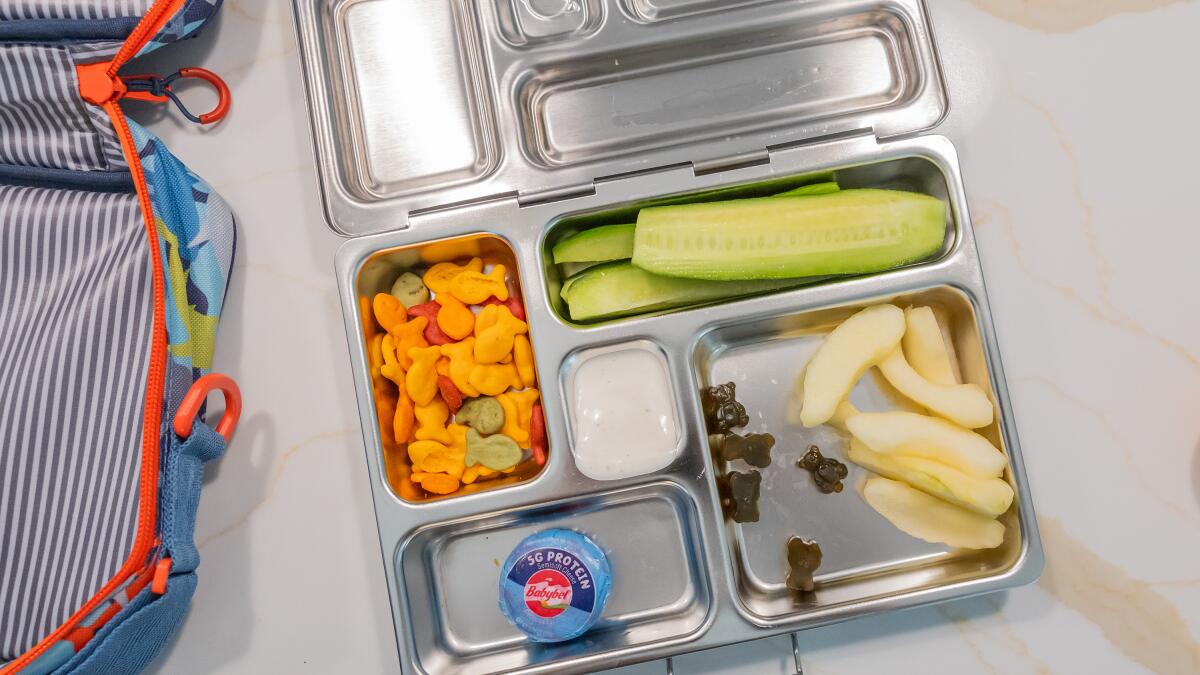
Ditch the tray for bento boxes with compartments—pack nitrate-free turkey, real cheese cubes, whole-grain crackers, apple slices, and hummus. Costs less, controls ingredients; my kids prefer customizing with grapes or carrot sticks. Where to get tools? Affordable bento sets on Amazon or Target.
Top DIY Recipes for Healthier Kits
- Turkey & Veggie Stack: Nitrate-free turkey, cheddar, whole crackers, cucumber slices.
- Pizza-Inspired: Whole pita rounds, tomato sauce, mozzarella, pepperoni alternatives, berries.
- Nugget Fun: Baked chicken bites, yogurt dip, banana chips, nuts.
Prep Sundays for week-ahead grabs; apps like MyFitnessPal track nutrition. (Internal link: /diy-lunch-ideas)
Real Stories: Parents Navigating Lunchables Changes
A mom I know switched after CR reports—her son’s energy soared with homemade versions minus sodium bloat. Another, a teacher, laments school kits’ pull but celebrates fresher cafeteria options. Light humor: One dad joked his “deconstructed Lunchables” saved marriage—kids ate veggies disguised as fun.
These tales highlight relatability; tweaks help, but home control empowers healthiest choices.
People Also Ask
Are Lunchables Healthy Now?
Incremental changes like added whole grains and protein help, but high sodium and processing keep them from being truly healthy—best occasionally.
What Are Healthier Alternatives to Lunchables?
DIY bento boxes with fresh meats, cheeses, fruits/veggies, or brands like Armour with whole grains.
Is There Lead in Lunchables?
Trace amounts detected, below limits but concerning cumulatively; opt for low-exposure foods.
Can Lunchables Be Part of a School Lunch?
Reformulated ones qualified briefly, but pulled; pair with produce for balance if using.
FAQ
What Are the Latest Changes to Lunchables Ingredients?
Reformulations include more whole grains, protein, reduced sodium/fat in crackers; fresh fruit added to some. (Internal link: /lunchables-updates)
Are There Healthy Store-Bought Lunchables Options?
Limited—seek low-sodium variants or competitors like Greenfield; always check labels.
How Can I Make Lunchables Healthier for My Kids?
Add fruits/veggies, use nitrate-free meats, whole crackers; DIY for control.
Why Were Lunchables Removed from Schools?
Low demand, not health issues per Kraft; advocates pushed due to sodium/lead.
Do Lunchables Contain Harmful Chemicals?
Phthalates in most packaging; lead traces environmentally sourced—no added metals.
While Lunchables edge healthier with tweaks, they’re no superfood—treats at best. Embrace DIY for real wins: fun, fresh, family-fueled nutrition that sticks. Who needs trays when creativity plates better? (Word count: 2,812)