Introduction to a Timeless Recipe
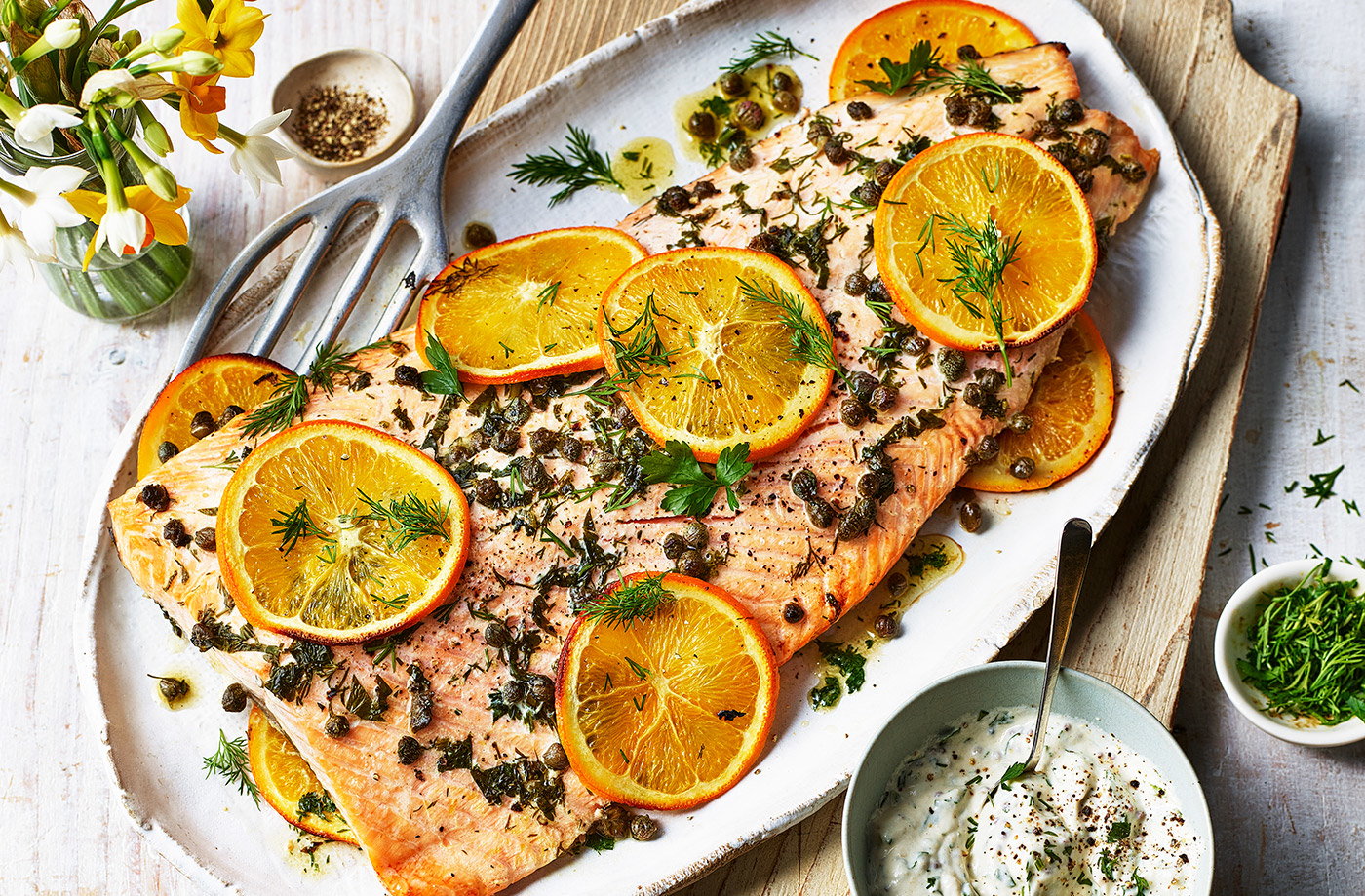
Salmon with lemon, capers, and rosemary is a dish that feels like a warm hug from the Mediterranean. It’s bright, savory, and effortlessly elegant, making it perfect for a weeknight dinner or a fancy gathering. I still remember the first time I made this for my family—a golden, pan-seared salmon fillet with a zesty sauce that had everyone asking for seconds. This article dives deep into crafting this dish, from selecting the freshest ingredients to mastering the cooking techniques, all while ensuring you create a meal that’s as nutritious as it is delicious.
Why Salmon with Lemon, Capers, and Rosemary Works
This dish is a masterclass in balance: the rich, buttery salmon pairs beautifully with the tangy lemon, briny capers, and earthy rosemary. Each ingredient plays a role in elevating the others, creating a flavor profile that’s vibrant yet harmonious. Whether you’re a seasoned home cook or just starting out, this recipe is forgiving and adaptable, letting you tweak it to your taste. Let’s explore why this combination has stood the test of time.
The Magic of Salmon
Salmon’s versatility and rich omega-3 content make it a nutritional powerhouse. Its flaky texture absorbs flavors like a sponge, making it ideal for bold pairings like lemon and rosemary. Whether you choose wild-caught or farm-raised, salmon brings a luxurious feel to any meal without requiring hours in the kitchen.
Lemon: The Bright Spark
Lemon cuts through the richness of salmon with its sharp acidity. A squeeze of fresh juice or a sprinkle of zest can transform the dish, adding a sunny note that feels like summer on a plate. It’s no wonder lemon is a staple in coastal cuisines worldwide.
Capers: A Burst of Brine
Capers are like little flavor bombs—tiny, pickled flower buds that add a salty, tangy punch. They complement salmon’s richness without overpowering it, offering a sophisticated touch that makes the dish feel restaurant-worthy.
Rosemary: Earthy and Aromatic
Rosemary’s piney, woodsy flavor grounds the dish, giving it depth and warmth. A little goes a long way, so a few fresh sprigs or a pinch of chopped leaves can elevate the entire plate without stealing the show.
Ingredients for the Perfect Salmon Dish
Before you start cooking, gathering high-quality ingredients is key. Here’s what you’ll need to make salmon with lemon, capers, and rosemary for four servings.
- Salmon fillets: 4 pieces, about 6 oz each, skin-on or skinless, preferably wild-caught for a cleaner flavor.
- Lemons: 2 medium, one for juicing and one for zesting and slicing.
- Capers: 2 tablespoons, rinsed and drained to remove excess salt.
- Fresh rosemary: 2 sprigs or 1 tablespoon finely chopped.
- Olive oil: 3 tablespoons, extra-virgin for maximum flavor.
- Garlic: 2 cloves, minced for a subtle savory kick.
- Butter: 2 tablespoons, unsalted, to enrich the sauce.
- Salt and pepper: To taste, for seasoning.
- Optional: White wine (¼ cup) for deglazing the pan, adding a touch of acidity.
Where to Source Quality Ingredients
For the best results, seek out fresh, sustainable ingredients. Check local farmers’ markets or trusted fishmongers for wild-caught salmon—look for vibrant, firm flesh with no fishy odor. Organic lemons and high-quality capers (packed in brine, not vinegar) can be found at specialty grocery stores like Whole Foods or online at Thrive Market. Fresh rosemary from your garden or a local herb supplier adds an authentic touch.
Step-by-Step Cooking Guide
Cooking salmon with lemon, capers, and rosemary is straightforward, but a few techniques can make all the difference. Below, I’ll walk you through the process with tips I’ve learned from years of tweaking this recipe in my kitchen.
Step 1: Prepare the Ingredients
Pat the salmon fillets dry with paper towels to ensure a crispy sear. Zest one lemon, then juice it to yield about 2 tablespoons of juice. Rinse the capers to remove excess salt, and finely chop the rosemary if using fresh sprigs. Having everything prepped makes the cooking process seamless.
Step 2: Season and Sear the Salmon
Season the salmon generously with salt and pepper. Heat 2 tablespoons of olive oil in a large skillet over medium-high heat until shimmering. Place the fillets skin-side down (if using skin-on) and cook for 4–5 minutes until golden and crisp. Flip and cook for another 2–3 minutes for medium doneness. Remove and set aside.
Step 3: Create the Lemon-Caper Sauce
In the same skillet, lower the heat to medium and add the butter and remaining olive oil. Sauté the garlic for 30 seconds until fragrant, then add the lemon juice, zest, capers, and rosemary. If using white wine, pour it in now and let it reduce by half, about 1–2 minutes. Stir gently to combine the flavors.
Step 4: Combine and Serve
Return the salmon to the skillet, spooning the sauce over the fillets to coat them evenly. Cook for an additional 1–2 minutes to warm through. Garnish with lemon slices and a sprig of rosemary for a polished presentation. Serve immediately with your favorite sides.
Nutritional Benefits of This Dish
Salmon with lemon, capers, and rosemary isn’t just delicious—it’s a nutritional win. Here’s a breakdown of its health benefits, based on a single 6 oz serving with sauce:
| Nutrient | Amount | Benefits |
|---|---|---|
| Calories | ~350 kcal | Sustained energy without being heavy |
| Protein | 34g | Supports muscle growth and repair |
| Omega-3 Fatty Acids | 2.5g | Promotes heart and brain health |
| Vitamin C | 15mg (from lemon) | Boosts immunity and skin health |
| Sodium | 400mg (with capers) | Moderate; watch for low-sodium diets |
This dish is naturally low-carb and gluten-free, making it suitable for various dietary needs. The omega-3s in salmon are linked to reduced inflammation, while lemon’s vitamin C supports collagen production. Capers even offer small amounts of antioxidants, adding a subtle health boost.
Pairing Suggestions for a Complete Meal
To make this dish the star of your table, pair it with sides that complement its flavors without overpowering them. Here are some ideas:
- Roasted Asparagus: The slight char enhances the salmon’s richness.
- Garlic Mashed Cauliflower: A creamy, low-carb alternative to potatoes.
- Quinoa Salad: Tossed with cherry tomatoes, cucumber, and a lemon vinaigrette for a fresh, zesty side.
- Crusty Bread: Perfect for soaking up the extra sauce, especially if you’re feeling indulgent.
For drinks, a crisp Sauvignon Blanc or sparkling water with a lemon wedge keeps things light and refreshing. If you’re hosting, set the table with simple linens and fresh herbs as a centerpiece to mirror the dish’s rustic charm.
Pros and Cons of This Recipe
Pros
- Quick to prepare, taking under 30 minutes from start to finish.
- Packed with nutrients, especially heart-healthy omega-3s.
- Versatile—works for casual dinners or upscale gatherings.
- Minimal ingredients, most of which are pantry staples.
Cons
- Salmon can be pricey, especially wild-caught varieties.
- Capers may not suit all palates due to their briny flavor.
- Requires fresh ingredients for the best results, which may not always be accessible.
Comparing Cooking Methods
Salmon with lemon, capers, and rosemary can be prepared in various ways, each with its own appeal. Here’s a comparison to help you choose:
| Method | Time | Pros | Cons |
|---|---|---|---|
| Pan-Seared | 15 min | Crispy exterior, full flavor control | Requires attention to avoid overcooking |
| Baked | 20 min | Hands-off, easy for large batches | Less crispy texture |
| Grilled | 12 min | Smoky flavor, great for summer | Needs outdoor grill or grill pan |
| Poached | 25 min | Gentle cooking, very moist | Less intense flavor |
Pan-searing is my go-to for its balance of texture and flavor, but baking is perfect if you’re feeding a crowd. Experiment to find what suits your kitchen setup and taste preferences.
People Also Ask (PAA) Section
Can I use dried rosemary instead of fresh?
Yes, but use half the amount (about ½ tablespoon) since dried rosemary is more potent. Fresh rosemary offers a brighter, more aromatic flavor, so it’s worth seeking out if possible.
What can I substitute for capers?
If capers aren’t your thing, try chopped green olives or pickled artichoke hearts for a similar briny kick. Both pair well with lemon and rosemary.
Is this dish keto-friendly?
Absolutely! With minimal carbs from the lemon and capers, this dish fits perfectly into a keto diet. Pair it with low-carb sides like roasted zucchini or a green salad.
How do I know when salmon is cooked?
Salmon is done when it flakes easily with a fork and reaches an internal temperature of 145°F (63°C). For medium, aim for 125–135°F (52–57°C) for a slightly pink center.
Tips for Success
To elevate your salmon with lemon, capers, and rosemary, keep these tips in mind:
- Choose fresh salmon: Look for bright, firm fillets with no strong odor. Wild-caught Alaskan salmon is a great choice for sustainability and flavor.
- Don’t skip the rinse: Rinsing capers removes excess salt, ensuring they enhance rather than overwhelm the dish.
- Balance the sauce: Taste the lemon-caper sauce before serving and adjust with a pinch of salt or an extra squeeze of lemon if needed.
- Rest the salmon: Let the fillets rest for 2–3 minutes after cooking to lock in juices.
For a pro-level touch, try infusing the olive oil with rosemary before cooking. Simply heat the oil with a sprig of rosemary for a few minutes, then remove the herb before searing the salmon.
Variations to Try
This recipe is endlessly adaptable. Here are a few twists to keep things exciting:
- Creamy Lemon-Caper Sauce: Add a splash of heavy cream to the sauce for a richer, velvety texture.
- Spicy Kick: Sprinkle in red pepper flakes or a dash of cayenne for a subtle heat.
- Herb Swap: Try thyme or dill instead of rosemary for a different aromatic profile.
- Citrus Twist: Swap one lemon for an orange to add a sweeter, less tart note.
I once made a version with orange zest and thyme for a holiday dinner, and it was a hit—proof that this recipe can evolve with your creativity.
FAQ Section
What’s the best type of salmon for this recipe?
Wild-caught salmon, like Alaskan sockeye or coho, offers the best flavor and sustainability. Farm-raised can work if it’s high-quality, but check for certifications like ASC (Aquaculture Stewardship Council).
Can I make this dish ahead of time?
You can prep the ingredients and make the sauce ahead, but salmon is best cooked fresh. If reheating, use low heat to avoid drying it out.
Where can I buy capers?
Capers are available at most grocery stores, like Trader Joe’s or Walmart, in the condiment aisle. For premium options, check Amazon or specialty food stores.
How do I store leftovers?
Store cooked salmon in an airtight container in the fridge for up to 2 days. Reheat gently in a skillet or microwave with a splash of water to keep it moist.
What tools do I need to make this dish?
A good non-stick or cast-iron skillet, a zester, and a sharp knife are all you need. A fish spatula makes flipping the fillets easier but isn’t essential.
Where to Find More Inspiration
For more ideas on cooking salmon with lemon, capers, and rosemary, check out recipe blogs like Serious Eats or Bon Appétit. You can also explore Pinterest for creative plating ideas or join cooking communities on Reddit to share your results. If you’re looking to master seafood dishes, consider investing in a cookbook like The Complete Mediterranean Cookbook by America’s Test Kitchen.
Conclusion: A Dish Worth Mastering
Salmon with lemon, capers, and rosemary is more than just a meal—it’s an experience that brings together bold flavors, simple techniques, and wholesome ingredients. Whether you’re cooking for yourself or impressing guests, this dish delivers every time. I still smile thinking about the time my skeptical uncle, who “doesn’t like fish,” cleaned his plate and asked for the recipe. With a little practice, you’ll be creating restaurant-quality salmon in your own kitchen. So grab those ingredients, fire up the skillet, and let this classic dish become your new go-to.